City applications built one at a time do not transfer. Each of BigClouT’s four pilot cities faced a different urban problem, but all of them needed the same underlying capability: a way to combine municipal open data, sensor feeds and what citizens themselves report, and to make the result available to applications through a common analytics layer.
The BigClouT platform is a distributed city data system that aggregates municipal open data, sensor feeds, web sources and citizen submissions, and exposes them to applications through a shared analytics layer. It combines cloud with edge and fog computing, so that processing can happen close to where data is produced, and a big data analytics framework on top. Analytics and visualisation were delivered through the Knowage open-source suite.
Because the same platform served every pilot city, applications built on it were adaptable to other cities rather than custom-built for one. The Tsukuba visitor services, the Fujisawa participatory reporting work and the Grenoble and Bristol use cases all ran on it.
– Aggregation of municipal open data, sensor feeds, web sources and citizen submissions
– Edge and fog computing alongside cloud processing
– Big data analytics framework with a common application-facing layer
– Analytics and visualisation through the Knowage open-source suite
– Shared across four pilot cities, so use cases transfer rather than being rebuilt
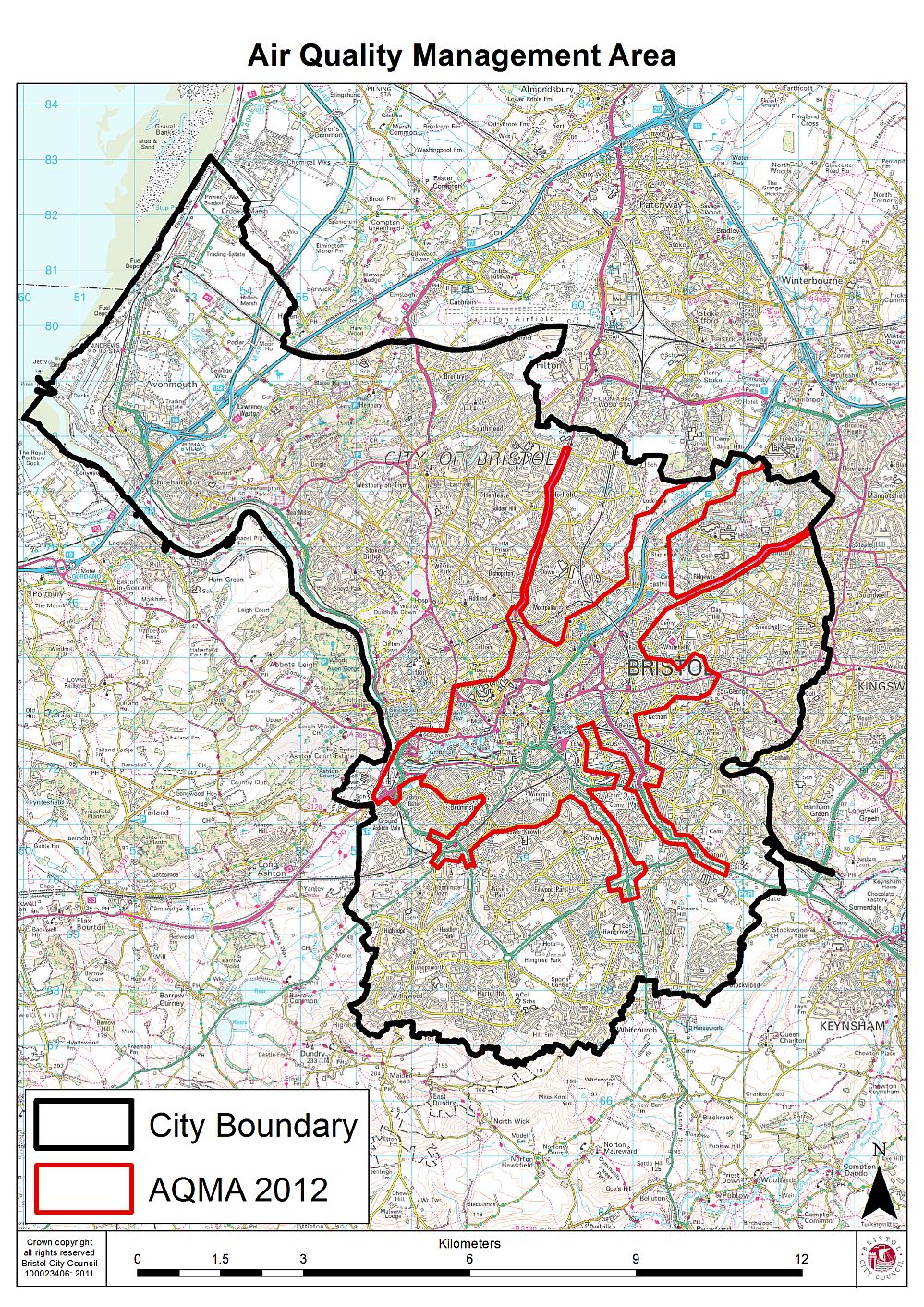
Deployed across the four BigClouT pilot cities between 2016 and 2019: Tsukuba (tourism and visitor information), Fujisawa (participatory incident reporting, sensor-equipped refuse vehicles), Grenoble (event impact monitoring, industrial estate optimisation) and Bristol (mobility pattern and power consumption prediction).
Get in touch to explore deployment opportunities or propose a complementary approach.