Status:
✅ Finalized
⇨
Context
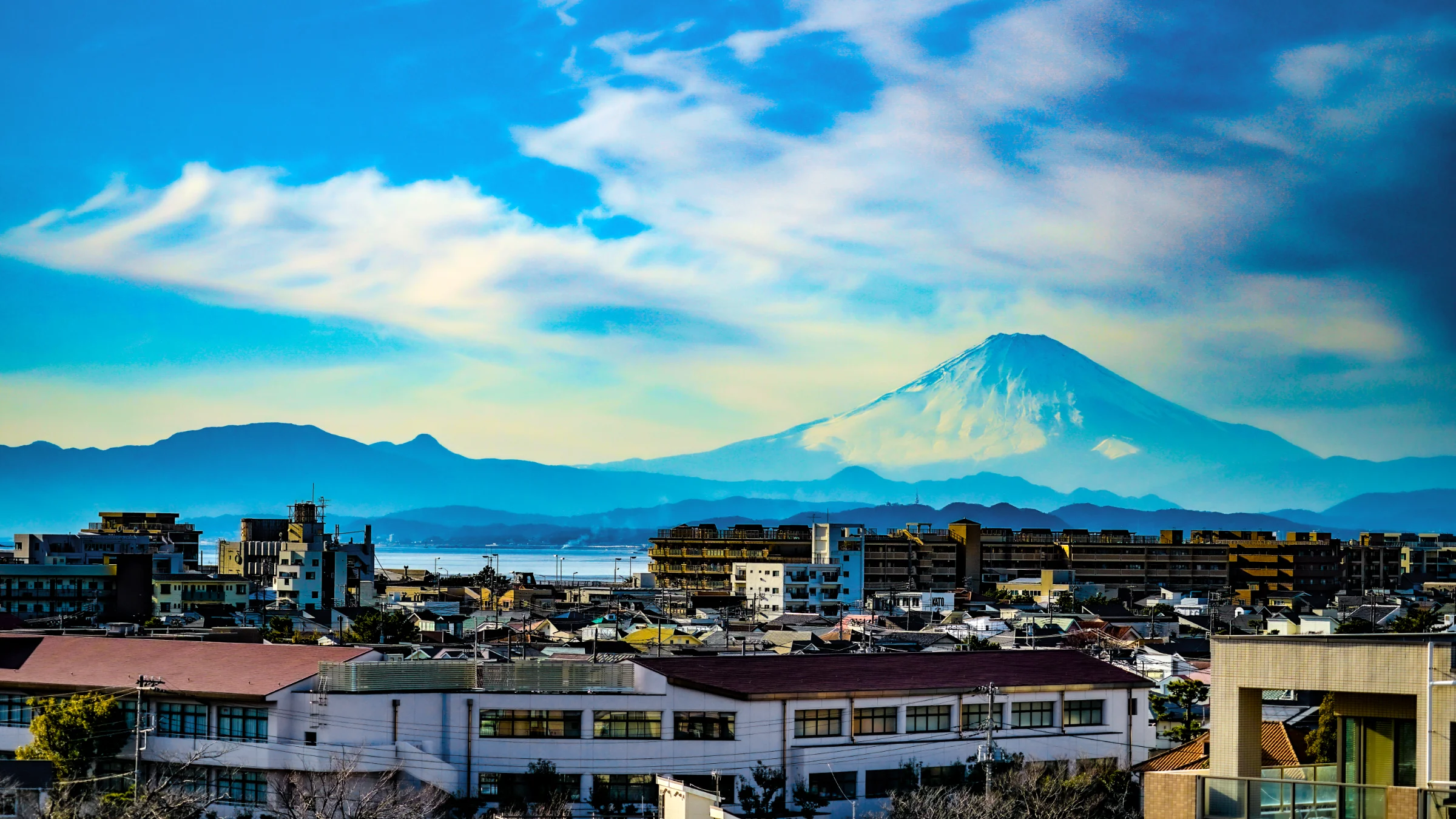
Fujisawa is a coastal city of about 440,000 residents in Kanagawa Prefecture, between Tokyo and Yokohama, with a large commuting population and heavy visitor traffic to Enoshima and its beaches. Keio University’s Shonan Fujisawa Campus sits inside the city, and Fujisawa has served as a testbed for successive EU–Japan smart city projects.
Specific problem
Environmental and infrastructure data comes from too few places. Air quality is measured at a handful of fixed stations and estimated everywhere else, so pollutants that vary over short distances — dust, traffic gases, pollen — go unmeasured across most of the city. Problems in public space, from illegal dumping and disposal errors to missed collections and facility damage, reach the city inconsistently and often without a reliable location or category.
Current situation and gap
Closing the sensing gap with fixed devices would mean many more sites, each needing equipment, power, permits and maintenance — a cost hard to justify for monitoring no regulation requires. Meanwhile, city-wide or regional figures cannot tell a resident whether pollen or dust is high on their own street, and unstructured incident reports cannot be aggregated to show where problems recur.
Specific need
The city needs fine-grained, continuously updated environmental data and structured incident records covering its whole territory, collected at a cost it can sustain as part of normal operations.
Expected outcome
– Street-level air quality coverage across the city, not just at fixed stations
– Environmental data collected through existing municipal operations at low marginal cost
– Incident reports with photo, category and location, routed to the right department and kept for analysis
– A shared platform where sensor feeds, reports and open data can be combined, analysed and visualised
– Information useful to residents planning their day and to departments managing waste, environment and infrastructure
– Operational benefits, such as optimised collection routes, that offset the cost of monitoring
Fujisawa’s refuse collection fleet covers every street on a regular schedule, which makes it a ready-made carrier for mobile sensing. The city works directly with Keio University’s Shonan Fujisawa Campus and with NTT East, so solutions can be tested on live municipal operations and real data rather than in a demonstrator.
Successive EU–Japan projects, from ClouT to BigClouT, have given the city a shared data platform and a track record of transferring use cases to partner cities in Europe and Japan — a good setting for testing whether an approach can travel.
Get in touch to express your interest or explore how you can contribute.