Status:
✅ Finalized
⇨
Context
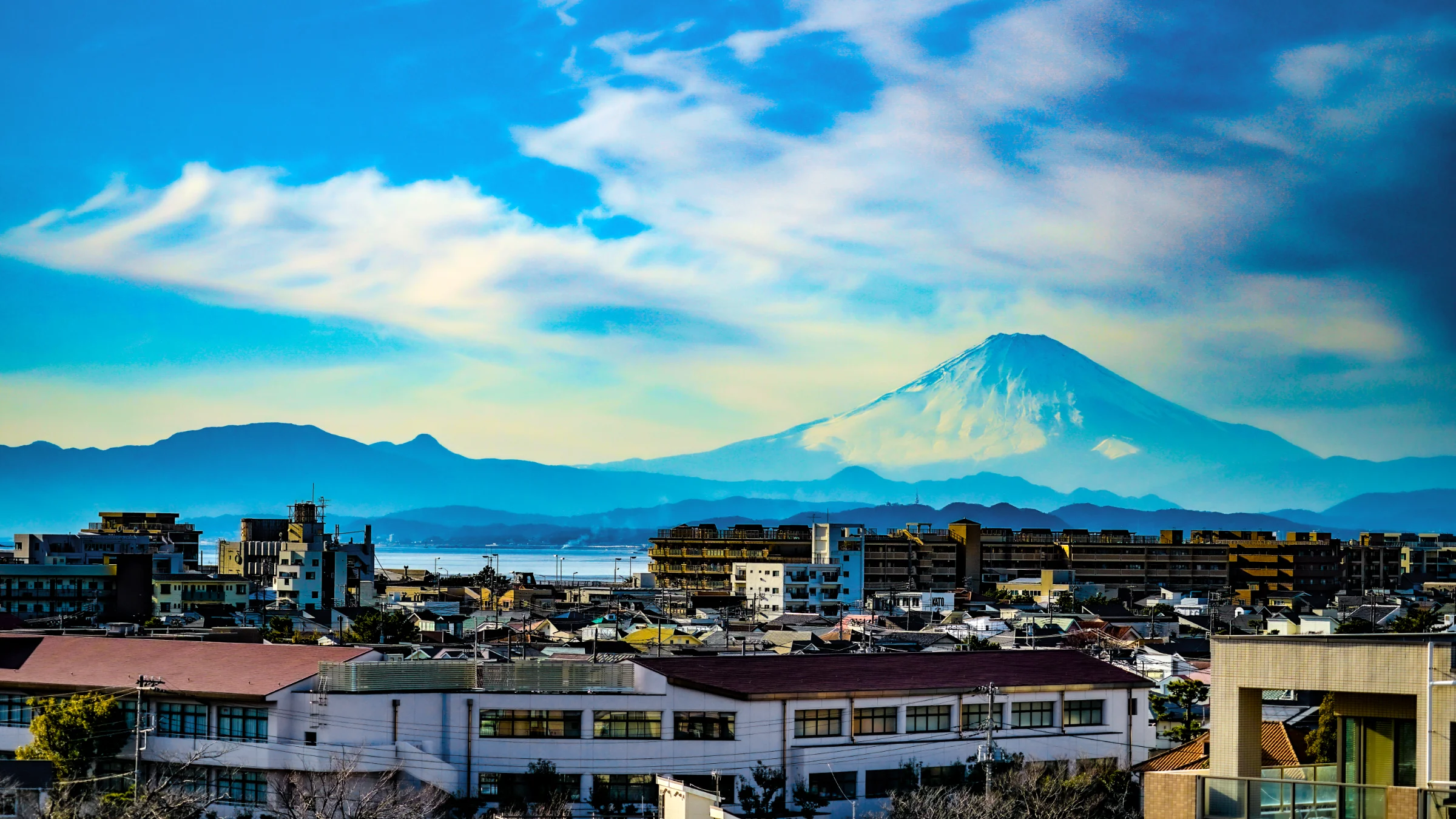
Fujisawa is a coastal city of about 429,000 residents in Kanagawa, a commuter hub for Yokohama and Tokyo and home to Keio University’s Shonan Fujisawa Campus. It had already run smart city programmes such as Fujisawa SST and G-Spatial before this work began, and its planning priorities — citizen wellness, disaster prevention, traffic safety and crime reduction — set what any urban technology is asked to demonstrate here. A mobile sensing platform, built on sensor-equipped refuse collection vehicles, had been operating with the city for more than three years.
Specific problem
A smart city IoT platform is valuable because it is open, scalable and able to collect and share many different kinds of city data. Those same qualities make it hard to secure: devices come from multiple manufacturers, data travels to third parties, and there is no single perimeter to defend. Participatory sensing adds a second exposure. When residents photograph their surroundings, the images incidentally capture faces, licence plates, house numbers and other details nobody intended to share — or even noticed.
Current situation and gap
Earlier projects built the sensing capability but left the security question open, and the participatory sensing methodology had never addressed how to protect the private content of citizen reports. A third gap appears the moment city data crosses borders: exchanging it between Japan and Europe raises confidentiality, compliance under both GDPR and Japan’s APPI, and the risk of sensitive information reaching a marketplace by accident. What is missing is protection at device, transport and cloud level, privacy handled before an image ever leaves the phone, and a way to trade city data across jurisdictions that can be shown to carry no personal information.
Specific need
The city needs its existing sensing platform secured end to end without losing the openness and scalability that make it useful, and it needs citizens to be able to contribute photographs of city life without surrendering the private details those photographs contain.
Expected outcome
– Multi-layer protection across an operating sensing platform: device hardening and intrusion detection, encrypted device-to-cloud transport, and authenticated cloud access
– Privacy protection applied on the device, so sensitive content never leaves the citizen’s phone
– Encrypted distribution of citizen reports to defined groups rather than open publication
– Secure extension of sensing beyond its original fleet into other urban settings
– Cross-border data exchange that is demonstrably free of personal information and compliant under both GDPR and APPI
– Evidence that residents will take part once privacy is credibly protected
Fujisawa offers a working city as a testbed rather than a laboratory. The mobile sensing fleet is already deployed and operated jointly with the municipality, so solutions can be applied to a live platform with real data rather than a demonstrator. Keio University’s Shonan Fujisawa Campus sits inside the city, putting the research group and the deployment in the same place.
The city has a decade of smart city practice to build on — Fujisawa SST, G-Spatial, and successive EU–Japan research projects — and an established route into resident participation through city events. Fujisawa is also paired with Santander across several of those projects, which makes it a rare place to test whether city data can move securely between Japan and Europe with citizens on both ends.
Get in touch to express your interest or explore how you can contribute.