Status:
✅ Finalized
⇨
Context
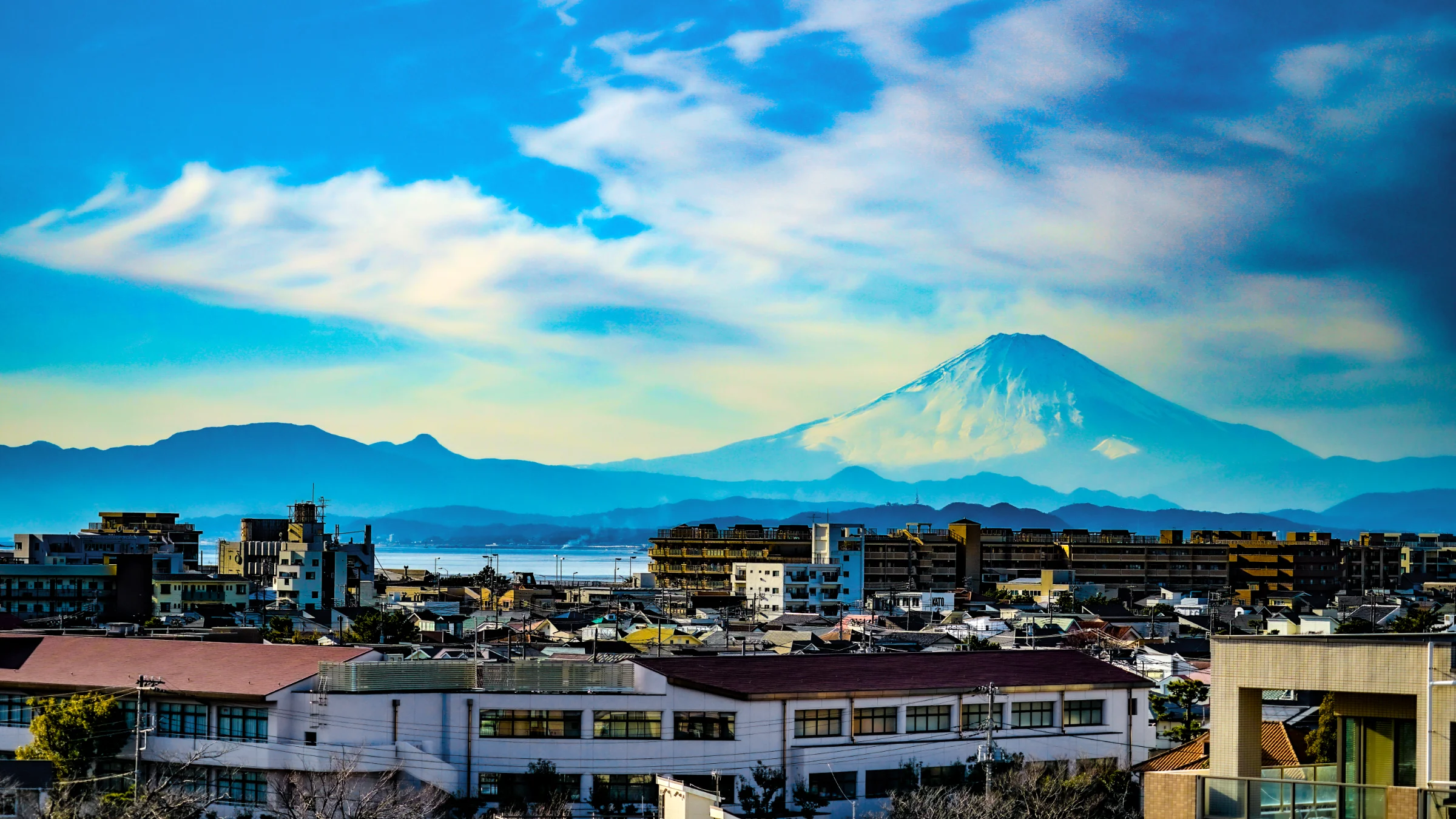
Fujisawa is a coastal city of about 440,000 residents in Kanagawa Prefecture, on Sagami Bay between Tokyo and Yokohama, with a large commuting population and seasonal tourism around Enoshima and the Shonan beaches. Its refuse collection fleet travels every street in the city on a regular schedule.
Specific problem
Waste collection is predictable but costly. Routes are often set years in advance and changed informally, and they are rarely reviewed with data because the data does not exist. The city knows that a collection round was completed, but not the exact path taken, the time spent, the distance covered or where delays occurred.
Current situation and gap
Without route-level data, fuel, time and emissions costs are known only in total, not per route, so it is hard to improve collection or to check whether changes work. Garbage truck fleets are a significant source of urban emissions, and inefficient routes add unnecessary mileage and CO₂. At the same time, fine-grained air quality monitoring is expensive with fixed stations, leaving most of the city unmeasured between monitoring points.
Specific need
The city needs continuous, per-route data on how its collection fleet actually operates, so that routing decisions can be evaluated and improved with evidence rather than experience alone.
Expected outcome
– A record of actual collection routes, distances, times and stop patterns for each round
– An evidence base for optimising routes and reducing mileage, fuel use and CO₂ emissions
– Street-level environmental data collected by the same vehicles at little extra cost
– Air quality information, such as pollen and PM2.5, shared with residents
– A sensing approach that serves both city operations and the public, making it financially practical beyond research funding
Fujisawa’s refuse collection vehicles cover every street on a fixed schedule, which makes them a ready-made platform for both fleet tracking and mobile environmental sensing. Instrumented vehicles can be tested in live operations without changing how collection is carried out.
The city has taken part in successive EU–Japan smart city projects, from ClouT to BigClouT, which provide a shared cloud platform and partners in Keio University’s Shonan Fujisawa Campus and NTT R&D for sensing technology, data analysis and participatory approaches.
Get in touch to express your interest or explore how you can contribute.