🔄 Ongoing
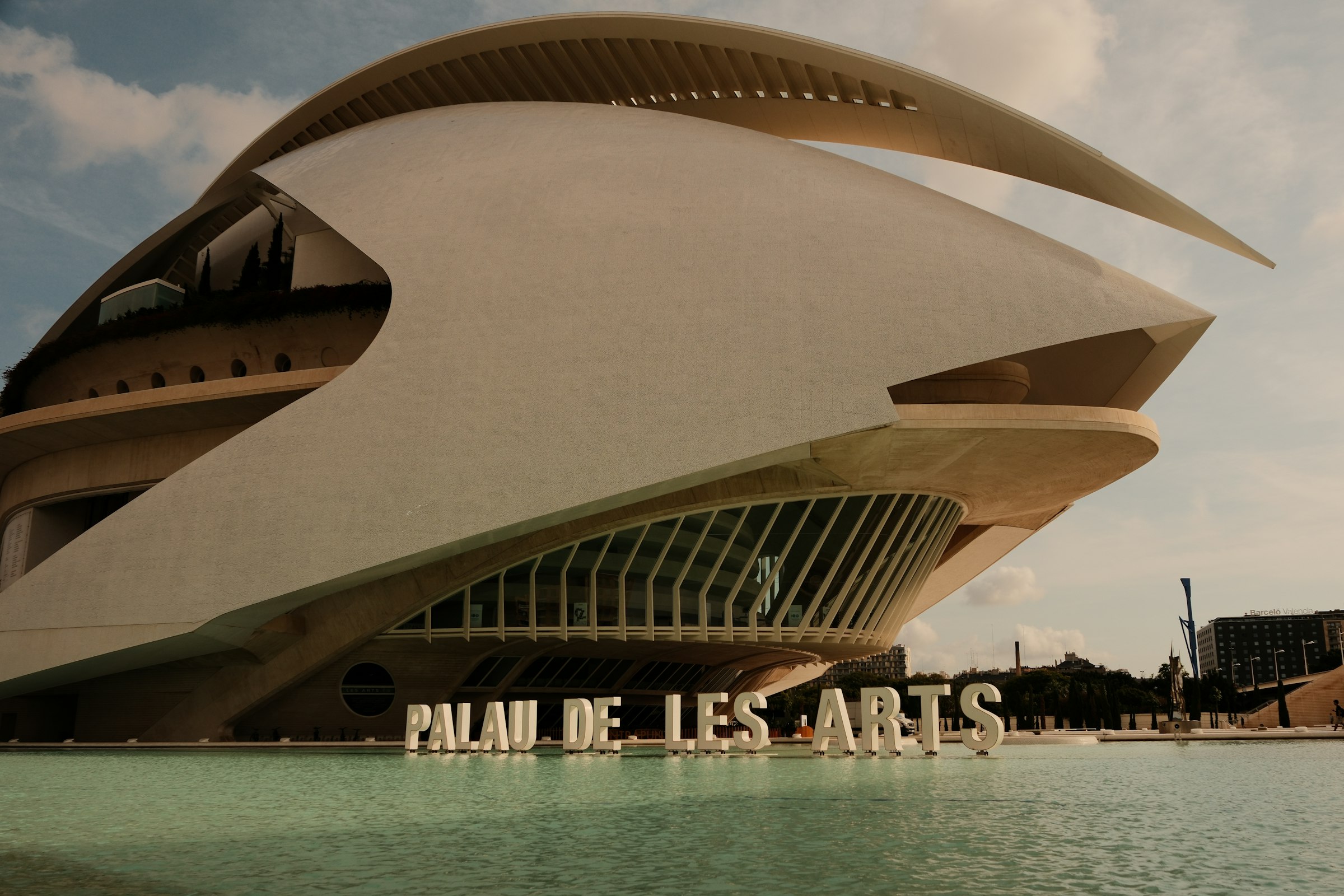
The Valencia pilot turns public spaces in the flood-affected southern districts of La Torre, Horno de Alcedo and Castellar-Oliveral into climate-resilient, climate-adapted environments. It aims to produce a model for sustainable urban reconstruction that other European cities can replicate.
To rebuild flood-affected public space in southern Valencia around sustainable mobility, dynamic public space management, urban energy and climate adaptation, and to test a replicable model for other cities.
City of Valencia (Ajuntament de València), Universitat Politècnica de València, Valencia Clima i Energia and EMT València: local partners.
The Lisbon Council: Urban-Flow coordinator.
Kentyou and Latitudo 40: UTA members and Urban-Flow partners.
Urban-Flow is a four-year project that started in January 2026 and was launched in Valencia. It supports cities in rebalancing public space and mobility through local digital twins and City Living Labs that involve policymakers, citizens and local stakeholders. Valencia, Florence and Tampere are the lead cities, and Brussels, Plzeň and Edinburgh are replicant cities.
Valencia is Spain’s third-largest city, with about 830 000 residents. After the 1957 flood, the old Turia riverbed became a 7 km urban park. In the southern districts hit by the DANA floods, the pilot works on reconstruction that is adapted to flooding and redesigned for walking, cycling and public transport.
Local digital twins let the city test scenarios and prioritise investments, while the City Living Lab involves policymakers, citizens and local stakeholders.
Improved flood resilience and integrated urban planning in the southern districts.
Ongoing
To provide the best experiences, we use technologies like cookies to store and/or access device information. Consenting to these technologies will allow us to process data such as browsing behaviour or unique IDs on this site. Not consenting or withdrawing consent may adversely affect certain features and functions.