Household energy waste is largely invisible. Standby and phantom loads draw power continuously, and bills arrive after the fact as a single total with no link to the devices, times or habits behind it. For Bristol households facing energy poverty, generic advice to use less offers little help: what they need is a way to find spending that delivers no benefit.
The tool predicts household energy use instead of only reporting it after the fact. Forecasts built on consumption data stored and processed in the BigClouT data lake show residents what their home is likely to use and point out where energy can be saved, such as standby and phantom draw and demand during expensive peak periods. Residents can then shift usage, cut standby load or plan for expected costs before the energy is used. Because it runs on the shared BigClouT platform, the tool is an example of a reusable system rather than a bespoke build.
– Forecasting of household energy consumption
– Identification of standby and phantom load from devices left plugged in
– Recommendations on when to use home appliances to avoid peak demand
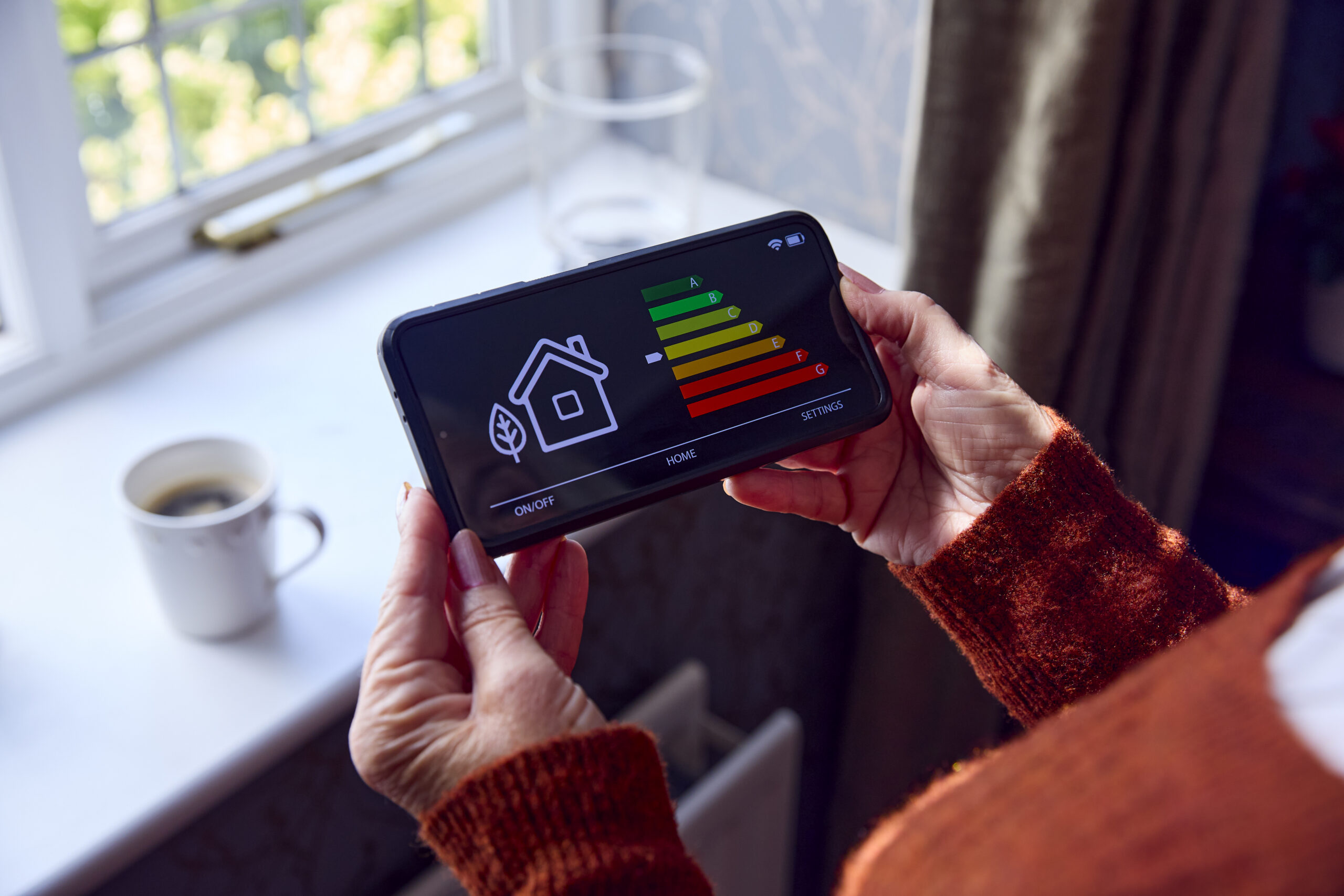
– Mobile-friendly app with an energy consumption dashboard
– Data storage and processing on the BigClouT platform, with analysis through the Knowage open-source suite
Piloted in Bristol between 2016 and 2019 as part of BigClouT, to help households reduce hidden energy waste, avoid costly peak-time use and protect themselves against energy poverty.
Get in touch to explore deployment opportunities or propose a complementary approach.