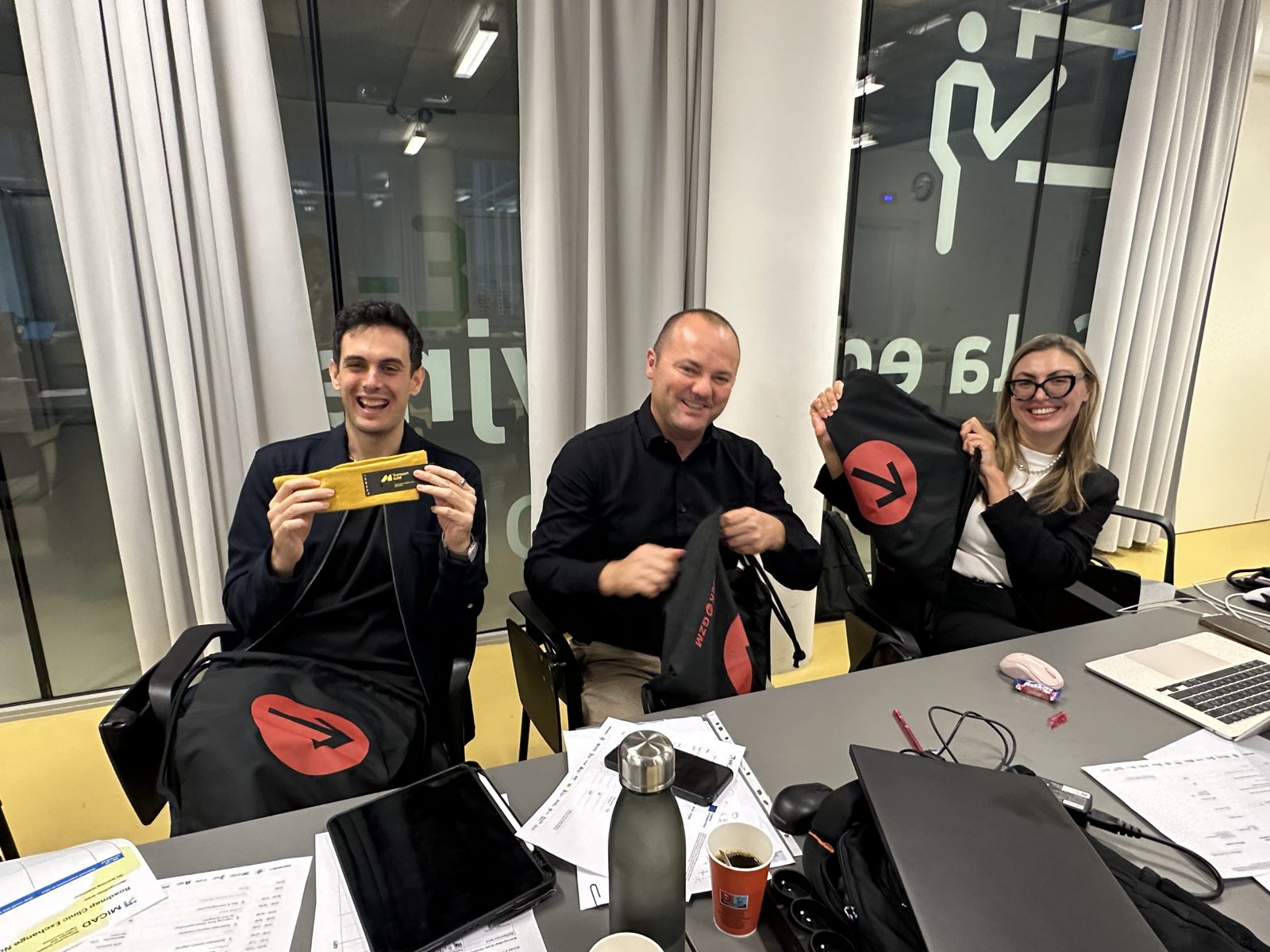
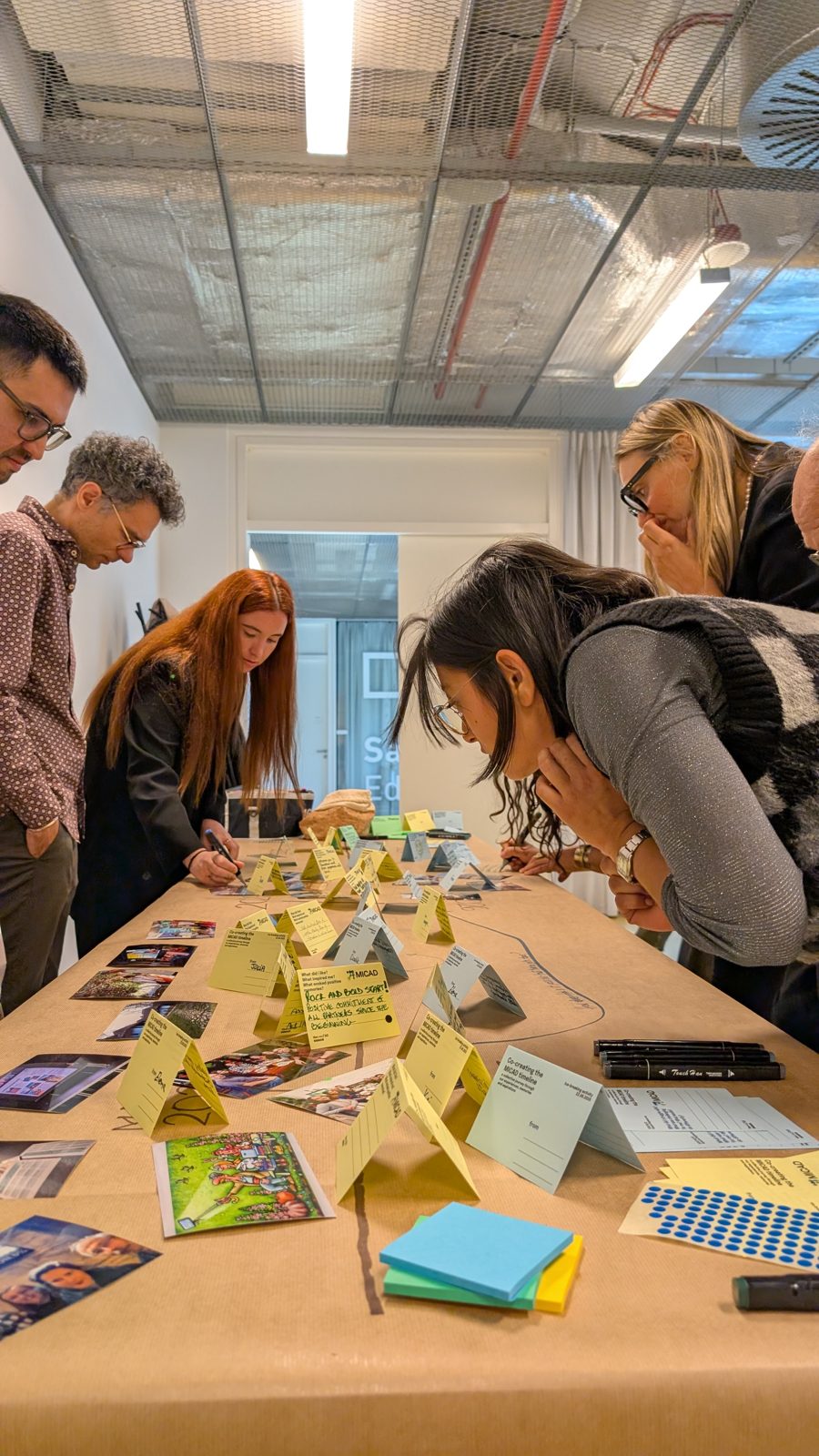
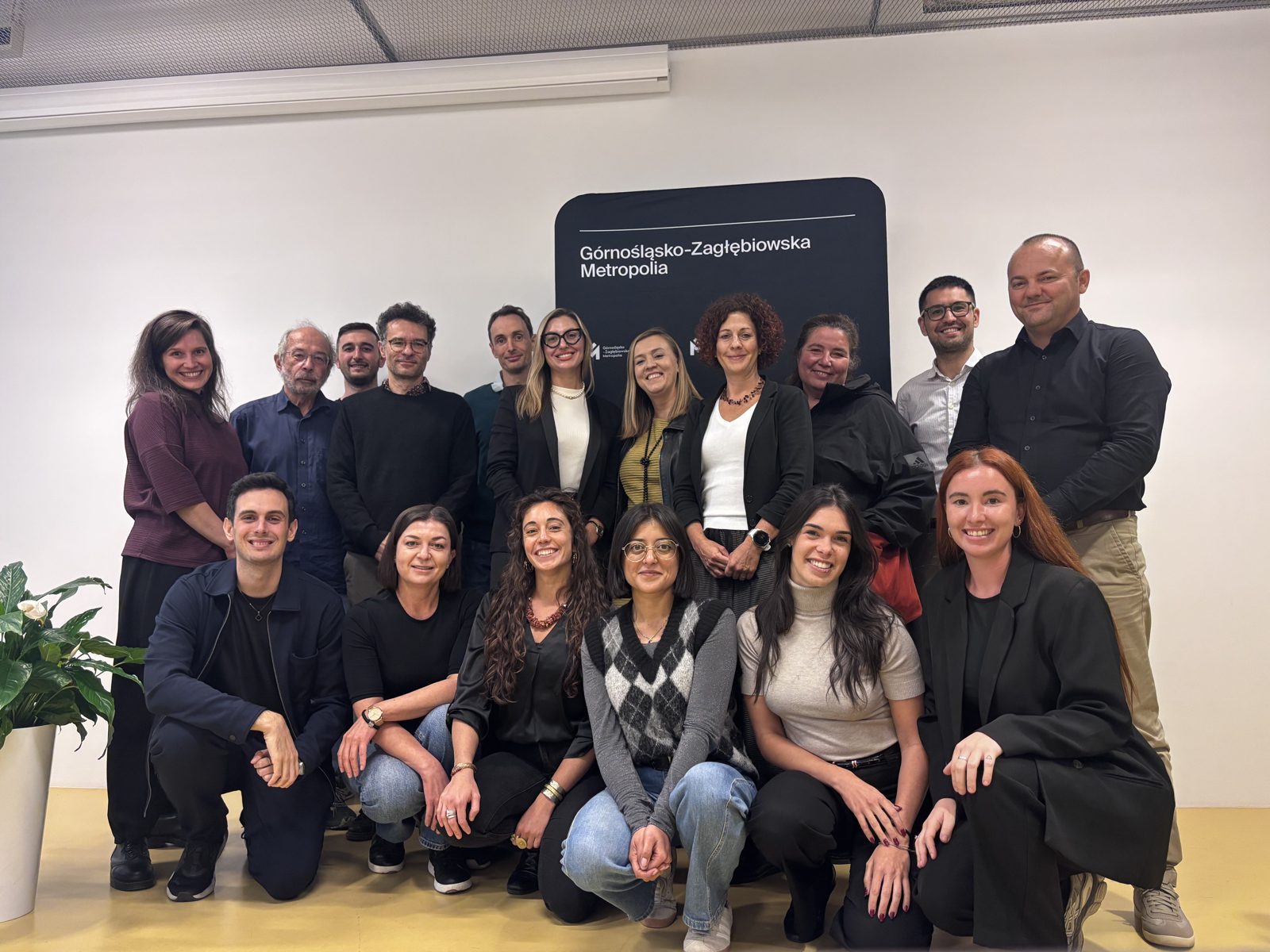
From 22 to 24 September 2026, partners of the Horizon Europe project MICAD (Metropolitan Inclusivity in Climate and Digital Transitions) met in Katowice for their General Assembly, hosted by Górnośląsko-Zagłębiowska Metropolia (GZM). Halfway through the project, the meeting was organised around the five metropolitan roadmaps now being drafted: where each one stands, what is holding it back and what support it needs next.
A project at its halfway point
Since the previous General Assembly in Barcelona in February, MICAD has closed its first reporting period: the technical report has been submitted and the review meeting with the European Commission took place on 7 September. Two Methodological Frameworks for climate and digital transition roadmaps are in place, developed with the metropolitan areas through six Operational Hub sessions.
Opening the meeting, Metropolis, the project coordinator, described the shift under way: the question is no longer what the challenges are, but what each metropolitan area will do about them. A MICAD roadmap should not be another diagnosis or catalogue of projects: it should connect an ambition to prioritised actions, owners, resources and monitoring, with inclusion shaping the choices.
How the roadmap process works
The roadmaps are coordinated in work package 4 (WP4), led by Kentyou, with Urban Technology Alliance (UTA) co-leading its coordination and cross-city learning task. Since March, UTA and Kentyou have given the five metropolitan authorities a common framework while leaving each roadmap in local hands: a template linked to the MICAD Toolkit, a section-by-section drafting timeline, monthly check-ins and bilateral support, including a methodological session with GZM in June.
In Katowice, Maryna Gorobei (UTA) and Bertrand Copigneaux (Kentyou) presented this work and designed the meeting’s central session: a roadmap check-in and peer review. Each metropolitan authority presented its roadmap, naming one element it wanted challenged and one question on which it wanted help. Two peer reviewers from other metropolitan areas each offered a strength, a challenge and a transferable idea, followed by discussion with knowledge partners. The format was explicitly not a ranking: each roadmap was considered against its own institutional and territorial context.
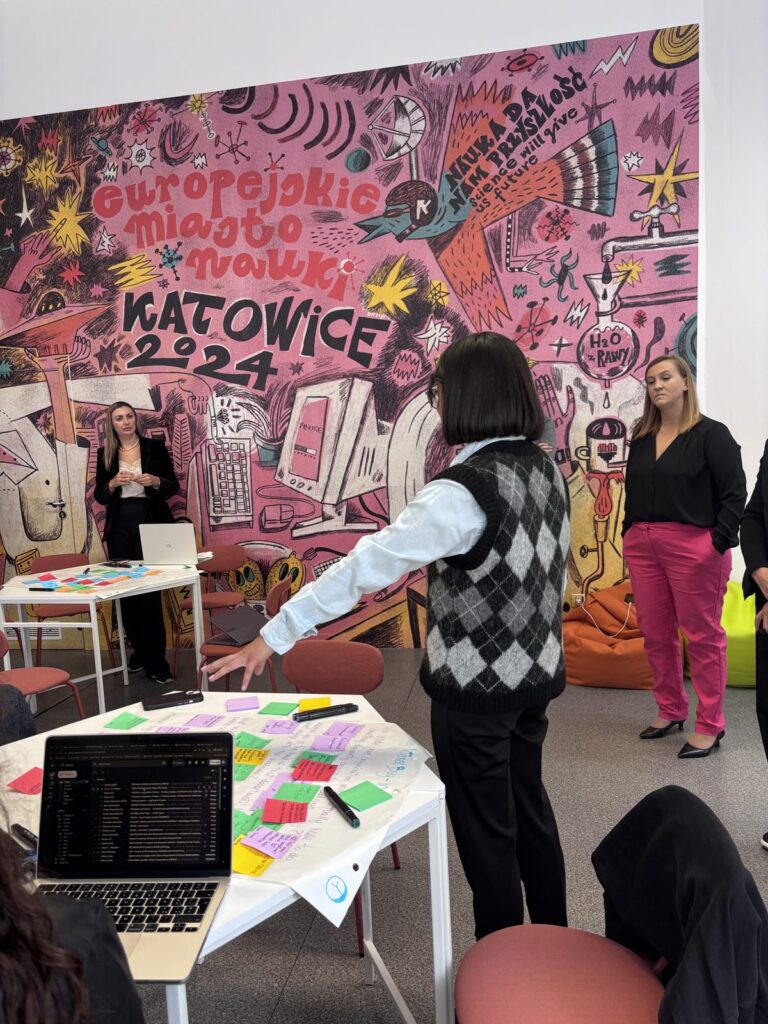
Five roadmaps, different starting points
Three roadmaps focus on digital transition, each at a different stage. Àrea Metropolitana de Barcelona (AMB) has an initial portfolio of around 16 actions, which it now plans to consolidate. Città Metropolitana di Milano (CMM), presenting online, is building its roadmap around a new Metropolitan Digital Agency that 54 municipalities have formally joined for its first year; reviewers asked Milan to clarify how the agency relates to the wider roadmap and what MICAD adds. Tirana is designing a model for transferring and adapting digital practices to the neighbouring municipality of Kamëz, with priority actions identified and a phased implementation model drafted.
Two roadmaps focus on climate. GZM is linking its roadmap to a bio-waste collection pilot for 4 000 households in multi-family buildings in Chorzów, with its updated roadmap awaiting internal approval. Chișinău has commissioned a climate policy audit, expected to take three to four months, and will refine its draft once the findings arrive, while working out how to align several overlapping plans.
What the roadmap work revealed
The most substantive discussion concerned the process itself. GZM said the template makes each section easy to complete, but warned that drafting risks becoming an exercise in meeting the next monthly check-in rather than working on the substance, and asked for more time with knowledge partners on its own concrete challenges. AMB explained that it could not commit to implementation targets before discussing them with the departments that would deliver them: building internal support has to come first, not last. It added that inclusion is hard to achieve at the pace of monthly drafting.
Peer review surfaced related issues: how a team without hierarchical authority can bring other departments on board, how to involve neighbouring municipalities with their own budgets, and how early results can persuade others to join.
In response, WP4 confirmed that the template is a guide rather than a fixed structure, and that a roadmap useful to its metropolitan area matters more than following every section. Partners agreed that WP4 would hold bilateral sessions with each metropolitan authority, open to others who wish to learn from them. Drafts remain open to revision, with the first half of 2027 available for consultation and refinement.
Roadmaps as the testing ground for the Toolkit
The roadmaps are where the MICAD Toolkit is meant to become operational. The template was built from Toolkit tools, and each metropolitan area selects the modules relevant to its context. The capacity-building platform, based on the Toolkit prototype, now includes preparation pages for the monthly check-ins. Metropolitan representatives were frank that its practical value is not always clear to them yet; partners plan to use this feedback to update the Toolkit before the project ends.
Learning across metropolitan areas
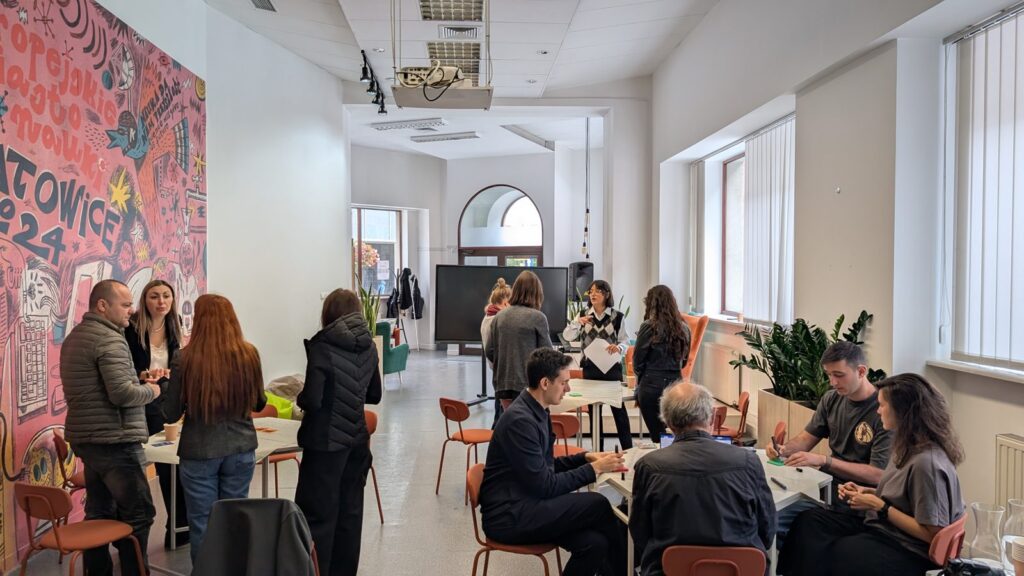
In a “learning from others” clinic, AMB took from the Tirana–Kamëz approach the idea of facilitating the transfer of solutions between municipalities. On the second day, an inclusivity workshop led by the Metropolitan Research Institute (MRI) and HES-SO asked each metropolitan area to test one roadmap action for unequal impacts and missing voices; in ALDA’s policy recommendations workshop, teams pitched recommendations to a panel playing policymakers; and a risk session revisited issues such as uneven capacity across authorities. On the third day, at GZM’s Metrolab, an Operational Hub World Café on governance covered internal buy-in, multi-level coordination, and monitoring and KPIs, with UTA facilitating the monitoring table.
Looking ahead
Drafting now moves to funding and investment priorities in October and risk assessment in November, with full drafts of the five roadmaps (D4.1–D4.5) due in December 2026. For UTA and Kentyou, the bilateral sessions come next: helping each metropolitan authority turn its draft into priorities, ownership and monitoring that work within its own institutional context.