
This EU Missions call funds urban nature restoration along transport networks and in the built environment. It is a joint call of the Cities Mission, the Adaptation Mission and the New European Bauhaus. Moreover, it focuses on city-led demonstrations.
About the Urban Nature Restoration Call
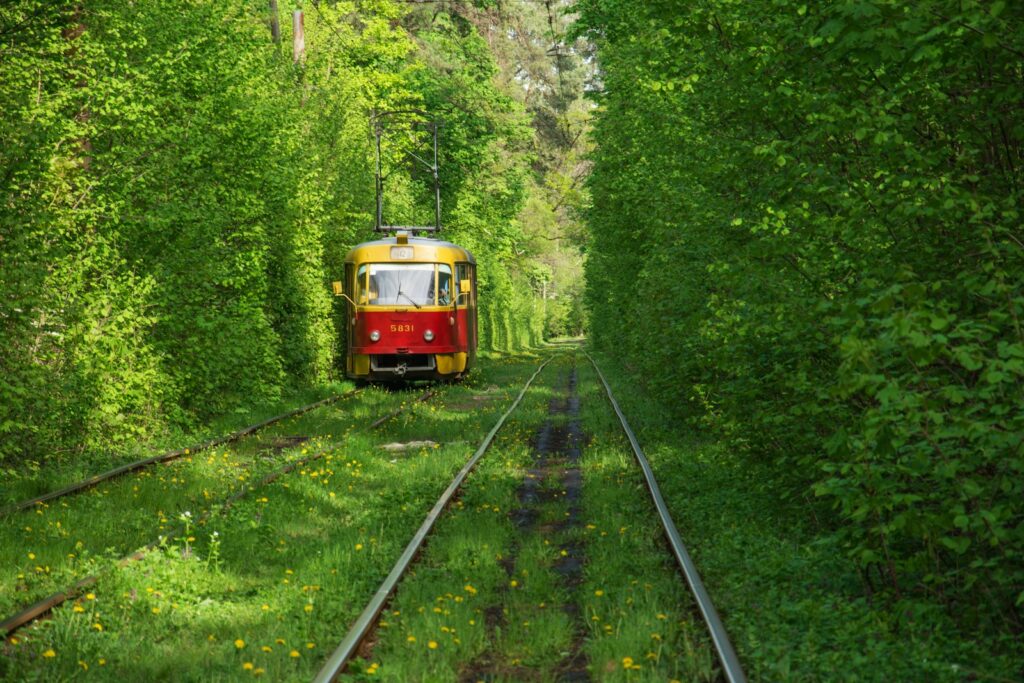
Transport corridors and dense districts often leave little room for nature. Urban nature restoration brings back green and blue spaces, cools streets and supports biodiversity. Furthermore, it improves wellbeing for residents. As a result, UTA can broker cities with nature-based and digital monitoring innovators. Explore more smart city funding opportunities on the UTA funding page.
Who Can Apply to the Urban Nature Restoration Call
Consortia must include entities from at least four cities in four different EU Member States or Associated Countries. In addition, at least one partner must be a Cities Mission city. At least one must also be a signatory of the Adaptation Mission Charter.
Focus Areas and Funding
Up to four projects of about €10m each are expected. Therefore, projects should deliver large-scale demonstrations with measurable impact. In short, applicants should align their project closely with the expected outcomes and impact described in the call text.
Key Facts at a Glance
- Call: Joint call of the Cities Mission and the Adaptation Mission (HORIZON-MISS-2027-07)
- Topic ID: HORIZON-MISS-2027-07-CLIMA-CIT-NEB-01
- Type of action: Innovation Action (IA), funded as a budget-based grant
- Topic budget: €40 million, with around €10 million per project
- Expected number of grants: 4
- Submission: single stage, opening 9 February 2027 and closing 22 September 2027 at 17:00 Brussels time
- Target maturity: TRL 7–8 by the end of the project
Expected Outcomes
- Cities gain tools and methods to decide where and how to expand and maintain green space and tree canopy for the greatest climate, biodiversity, soil, air, water and health benefits.
- Lead cities deploy solutions in pilot sites, including along transport networks.
- Projects monitor environmental, economic, social and health impacts, including co-benefits and trade-offs.
- Follower cities learn from the results.
What Proposals Must Cover
- Projects address four strands: how green cover affects heat, biodiversity, water and air; barriers such as governance, underground infrastructure and seedling shortages; measures that increase cover with native species and connectivity; and multifunctional solutions.
- Each pilot site applies at least three of these strands.
- Projects run at least two pilot sites in two lead cities. At least one site lies along an urban transport network or in the built environment.
- At least four cities from different countries take part, with structured engagement of at least two follower cities.
- Communities, including disadvantaged groups, and landowners co-design the solutions. A legacy plan is required.
- At least one partner must come from a Mission city and at least one from an Adaptation Mission Charter signatory.
- Projects support the Nature Restoration Regulation and link with the Mission platforms and the New European Bauhaus hub.
Source: the official topic page on the EU Funding & Tenders Portal, checked on 16 October 2026.
Why the Urban Nature Restoration Call Matters
For cities, the urban nature restoration opportunity is a chance to test new solutions with trusted partners and shared funding. In addition, it helps public authorities learn from peers in other countries. Successful projects often lead to wider roll-out and new procurement. However, strong proposals need early planning, clear roles and real demonstration sites. That is why UTA brings cities, innovators and researchers together long before deadlines. Moreover, our network helps partners find the missing skills or countries a consortium needs. As a result, members can move from idea to proposal faster and with more confidence.
Deadline and How to Apply
The call opens on 9 February 2027 and closes on 22 September 2027. Apply through the EU Funding & Tenders Portal. For this reason, cities should confirm their participation early. Read the full details on the official call page. Urban Technology Alliance can also connect you with cities in the UTA network. Contact us to discuss a consortium for this call.