

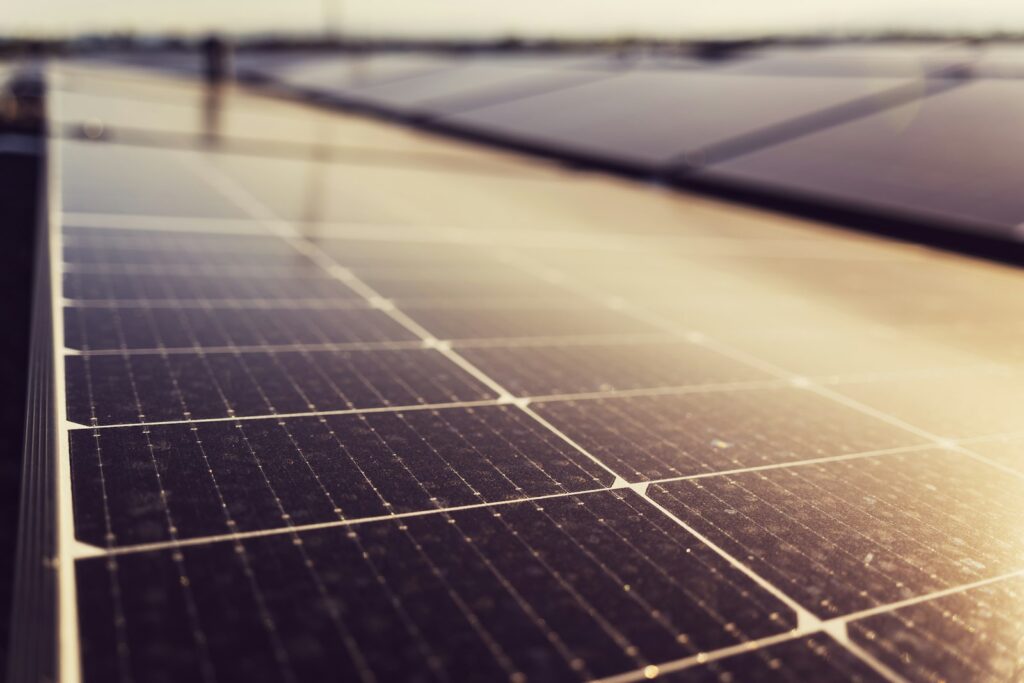

This Cities Mission call funds innovative urban microgrids for better energy system integration and efficiency. It is an Innovation Action. Moreover, it supports the goal of climate-neutral cities.
About the Urban Microgrids Call
Urban microgrids connect local generation, storage and demand within a district. They make energy systems more flexible and resilient. Furthermore, they help integrate rooftop solar and electric vehicles. As a result, the call pairs well with Positive Energy District projects. Explore more smart city funding opportunities on the UTA funding page.
Who Can Apply to the Urban Microgrids Call
Consortia must involve multiple cities from different countries. In addition, at least one partner must be one of the 112 Cities Mission cities. Therefore, city involvement is essential.
Focus Areas and Funding
Three projects of about €7m each are expected. Moreover, projects should demonstrate microgrids in real urban settings. In short, applicants should align their project closely with the expected outcomes and impact described in the call text.
Key Facts at a Glance
- Call: Supporting the implementation of the Climate-Neutral and Smart Cities Mission (HORIZON-MISS-2027-04)
- Topic ID: HORIZON-MISS-2027-04-CIT-01
- Type of action: Innovation Action (IA), funded as a lump sum grant
- Topic budget: €20 million, with around €7 million per project
- Expected number of grants: 3
- Submission: single stage, opening 9 February 2027 and closing 7 October 2027 at 17:00 Brussels time
- Target maturity: TRL 7–8 by the end of the project
Expected Outcomes
- Cities, utilities and the public know more about low-voltage DC (LVDC) microgrids and their role in the Green Deal and the Clean Industrial Deal.
- Measured gains in safety, efficiency, renewable integration, storage, demand response and resilience build acceptance.
- Installation guidelines and regulatory recommendations help authorities and distribution system operators adopt LVDC.
- New regulatory options and standards strengthen EU leadership in LVDC.
What Proposals Must Cover
- Projects develop safe, affordable LVDC design methods and tools for monitoring, control and fault handling, with a life-cycle cost–benefit comparison against AC.
- Each project runs at least one real-life demonstration covering all loads in a building or neighbourhood. The proposal must already show that the demo is feasible under local rules, for example through a regulatory sandbox.
- Digital-twin demonstrations extend results to other buildings, cities and countries, including at least one building under renovation. Projects need at least three demonstrations in total.
- Projects identify regulatory barriers and contribute to CEN-CENELEC and IEC standards.
- Training materials and at least one open workshop with site visits reach authorities, planners, installers and students.
- At least three cities from three different countries must be beneficiaries, and at least one must be a Mission city.
- Projects build on Shift2DC, HYPERRIDE and TIGON, cooperate with each other and cluster under the Mission Platform. Entities controlled by China cannot take part.
Source: the official topic page on the EU Funding & Tenders Portal, checked on 16 October 2026.
Why the Urban Microgrids Call Matters
For cities, the urban microgrids opportunity is a chance to test new solutions with trusted partners and shared funding. In addition, it helps public authorities learn from peers in other countries. Successful projects often lead to wider roll-out and new procurement. However, strong proposals need early planning, clear roles and real demonstration sites. That is why UTA brings cities, innovators and researchers together long before deadlines. Moreover, our network helps partners find the missing skills or countries a consortium needs. As a result, members can move from idea to proposal faster and with more confidence.
Deadline and How to Apply
The call opens on 9 February 2027 and closes on 7 October 2027. Apply through the EU Funding & Tenders Portal. For this reason, start by identifying a Mission city partner. Read the full details on the official call page. Urban Technology Alliance can also connect you with cities in the UTA network. Contact us to discuss a consortium for this call.