

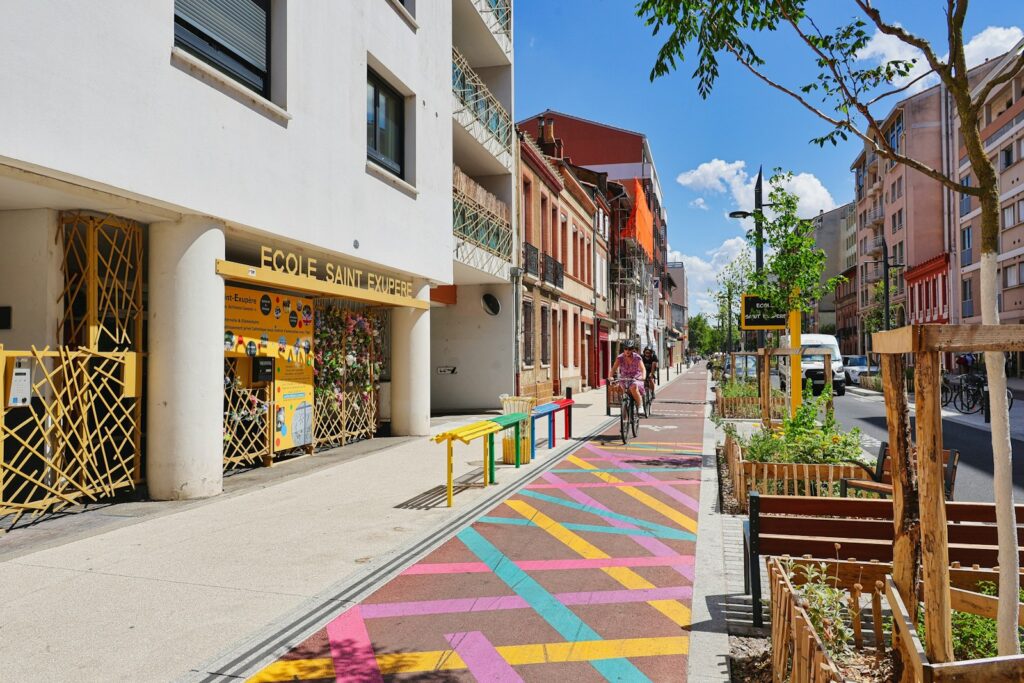

The DUT Call 2026 funds transnational research and innovation for urban transitions. It covers the 15-minute City, Circular Urban Economies and Positive Energy Districts. In addition, a cross-cutting topic addresses adaptive reuse.
About the DUT Call 2026
Driving Urban Transitions (DUT) is a European partnership co-funded by Horizon Europe. It brings together national funders from many countries, including Switzerland. Its goal is to help cities become sustainable, inclusive and climate-neutral. As a result, the DUT Call 2026 is one of the best fits for UTA cities, innovators and researchers. Explore more smart city funding opportunities on the UTA funding page.
Who Can Apply to the DUT Call 2026
Consortia need at least three eligible applicants from at least three participating countries. Moreover, each consortium must include at least one urban government authority. Each partner also follows its own national funding rules, listed in Annex A of the call text.
Focus Areas and Funding
The total budget is about €49m from national funders. Projects can work on 15-minute cities, circular urban economies or Positive Energy Districts. Therefore, city-innovator-research teams have strong chances of success. In short, applicants should align their project closely with the expected outcomes and impact described in the call text.
Key Facts at a Glance
- Programme: Driving Urban Transitions (DUT) Partnership, co-funded by Horizon Europe
- Stage 1 (pre-proposals): open from 1 September to 17 November 2026 at 13:00 CET
- Stage 2 (full proposals, by invitation): due 15 April 2027 at 13:00 CEST
- Funding decisions: July 2027, with projects starting in late 2027 or early 2028
- Budget: about €49 million from national funders, plus EU co-funding
- Typical project size: €1–2 million, with no formal minimum or maximum
- Duration: up to 36 months
Eligibility Rules
- Consortia include at least three funded partners from three participating countries, and at least two of them must be from EU Member States or Associated Countries.
- At least one municipality or local authority, or a service provider it owns, must take part.
- No partner holds more than 50% of the person-months.
- Each partner follows its national funding rules, so some countries require a separate national application.
- Consortia set aside up to €30,000 in total for mandatory programme activities.
- 28 countries take part, including Switzerland through the SNSF.
Themes for 2026
- 15-minute City: aligning the mobility transition and strengthening neighbourhood economies.
- Circular Urban Economies: maintaining green and blue spaces and supporting urban production.
- Positive Energy Districts: PED solutions in private housing, flexibility and integrated technologies.
- Cross-cutting topic: adaptive reuse of existing urban structures. This topic also requires a private-sector partner.
- Each project chooses a research-oriented or innovation-oriented approach. A matchmaking platform on b2match helps applicants find partners.
Source: the official DUT Partnership call pages, checked on 16 October 2026.
Why the DUT Call 2026 Matters
For cities, the DUT Call 2026 opportunity is a chance to test new solutions with trusted partners and shared funding. In addition, it helps public authorities learn from peers in other countries. Successful projects often lead to wider roll-out and new procurement. However, strong proposals need early planning, clear roles and real demonstration sites. That is why UTA brings cities, innovators and researchers together long before deadlines. Moreover, our network helps partners find the missing skills or countries a consortium needs. As a result, members can move from idea to proposal faster and with more confidence.
Deadline and How to Apply
Pre-proposals are due on 17 November 2026 at 13:00 CET. Invited consortia then submit a full proposal by 15 April 2027. For this reason, partners should agree on roles and national budgets early. Read the full details on the official call page. Urban Technology Alliance can also connect you with cities in the UTA network. Contact us to discuss a consortium for this call.