Context
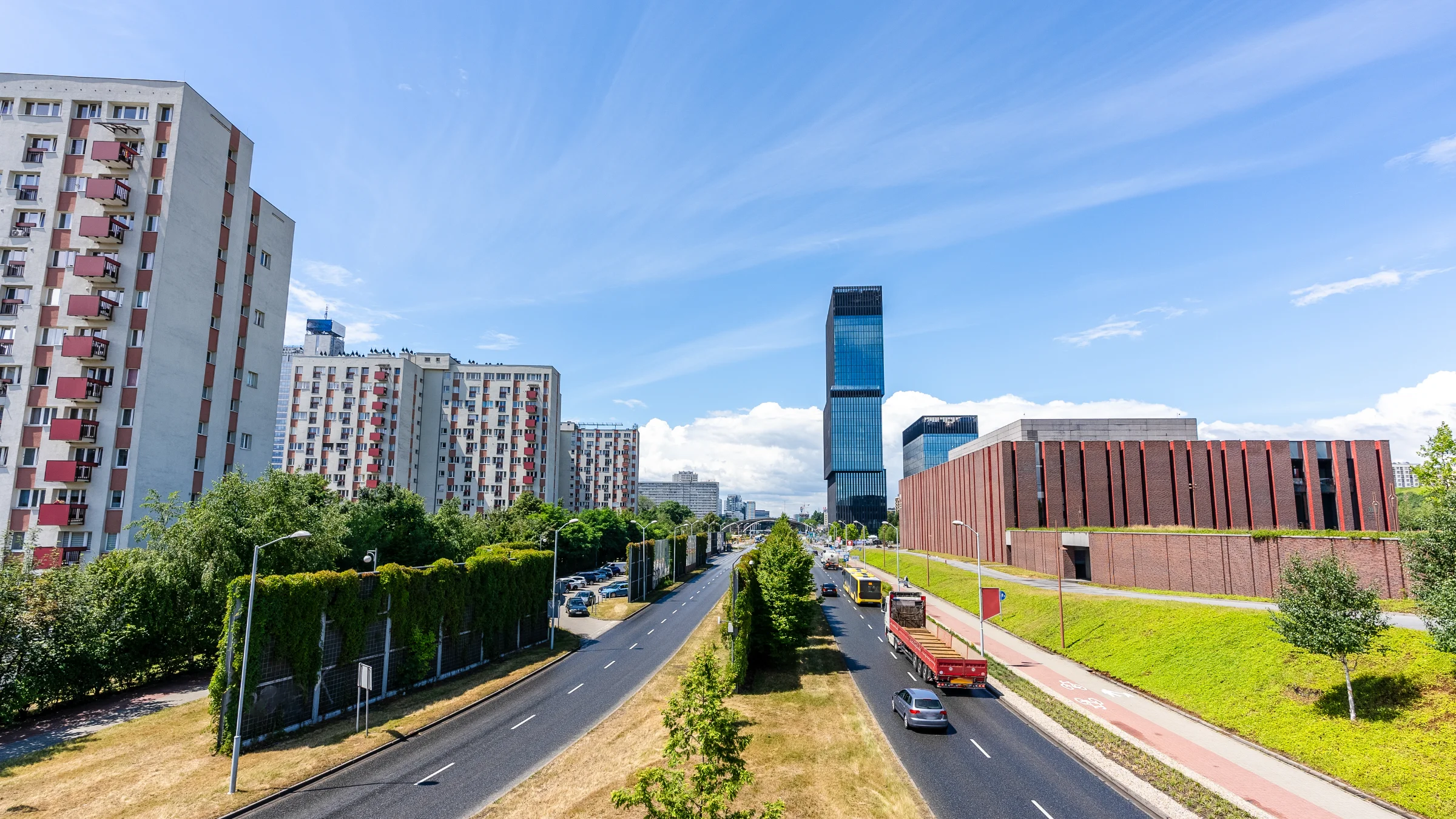
The Górnośląsko-Zagłębiowska Metropolia (GZM), a metropolitan area in southern Poland comprising 41 municipalities and home to over 2.2 million people, faces low rates of separate kitchen bio-waste collection and significant contamination of the collected waste stream, particularly in multi-family housing.
Municipal collection systems across GZM’s constituent municipalities remain fragmented, with inconsistent approaches to resident engagement, collection and processing.
Specific problem
Low separate collection of kitchen bio-waste, contamination of the waste stream, fragmented municipal collection systems, insufficient processing capacity and low resident awareness — particularly in multi-family housing areas — limit the metropolitan area’s ability to recover bio-waste as a clean, usable stream.
Current situation and gap
Resident engagement, household source separation, collection validation and transport conditions are not yet consistently addressed as one integrated system across GZM’s municipalities.
Specific need
GZM needs an integrated, validated model for separate kitchen bio-waste collection that works for multi-family housing and scales across its municipalities.
Expected outcome
– An integrated kitchen bio-waste closed-loop model combining resident awareness, household source separation, dedicated collection arrangements, and monitoring of collection quality.
– The model should include transport-condition and waste-stream analysis to support further valorisation of the collected bio-waste.
– Validated data on collection quality, contamination rates and resident participation, usable to refine the model before wider rollout.
Who would use the results
GZM’s waste-management and climate-transition planning teams, to decide how to scale the model across its municipalities.
Expected impact
Could support increased separate bio-waste collection, reduced disposal of kitchen waste in mixed waste, improved waste-stream quality and stronger resident engagement.
Space. GZM Metropolitan Area, with multi-family housing areas as the primary experimentation setting.
Scale. Metropolitan scale.
Data. Existing, fragmented municipal collection data across GZM’s constituent municipalities, available as a baseline. Household collection-quality and waste-stream composition data can be generated during experimentation.
Get in touch to express your interest or explore how you can contribute.