In 2024, severe floods struck Valencia, Spain, illustrating how quickly a crisis can outpace slow, fragmented emergency response: water levels passed danger thresholds within minutes and coordination between agencies broke down. The pilot scenario was a major Seine flood in Paris-Saclay; with this event as context, the pilot tested whether a distributed, largely automated edge–cloud platform could shorten the gap between flood detection and coordinated emergency response.
The pilot connected environmental sensors — water-level, air-pressure and wind sensors, alongside camera and drone feeds — to edge hardware processing data on site, with a cloud layer coordinating the wider response. Rather than a single central system, multiple edge locations were linked into one network that keeps working, and stays synchronised, even if the connection to central control drops. Particular emphasis was placed on removing manual work from deployment, so that new hardware could join the network with minimal human intervention.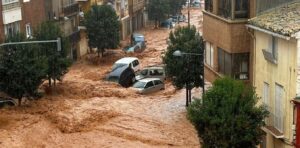
Relevant UTA solution: Edge–cloud computing for emergency response
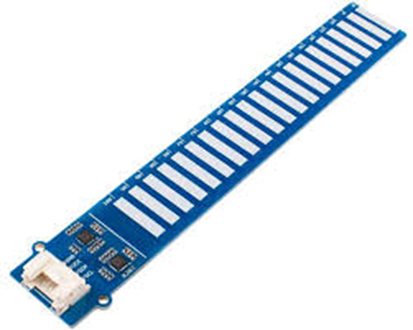
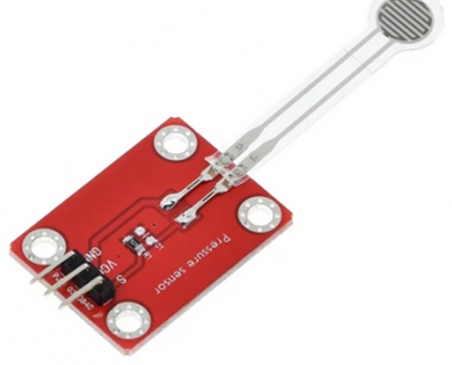
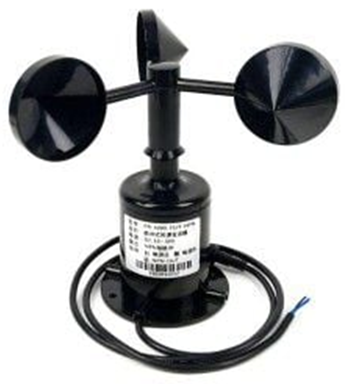
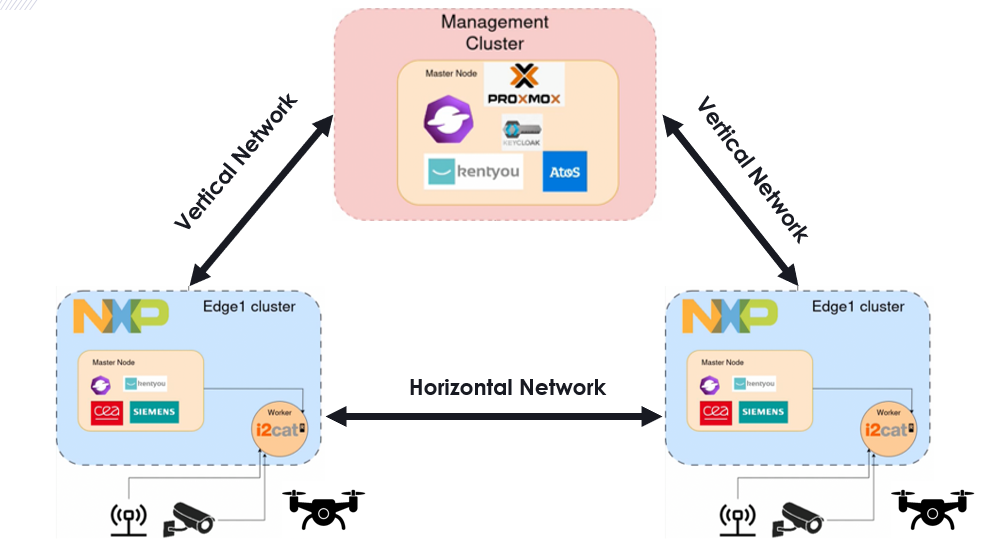
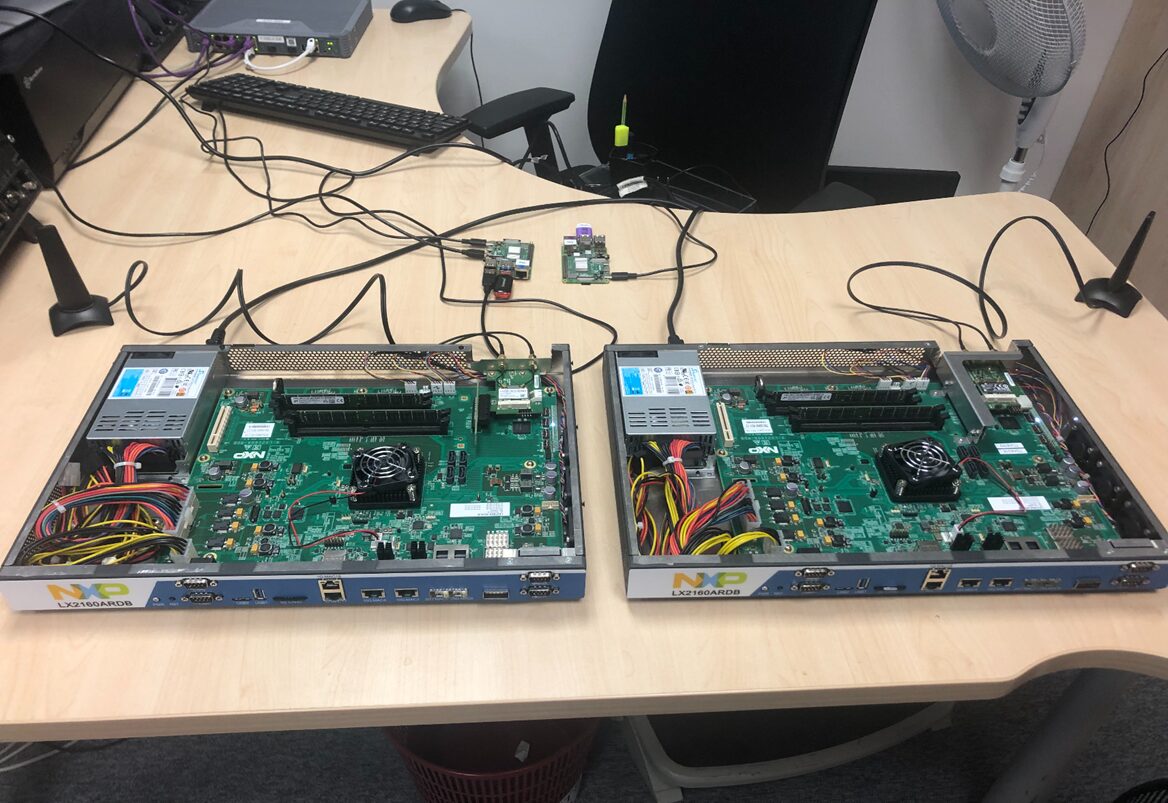
Key aspects that have been tested and demonstrated: distributed edge-to-cloud orchestration, automated deployment, real-time environmental sensing and resilient multi-site networking for flood detection and emergency-response coordination.
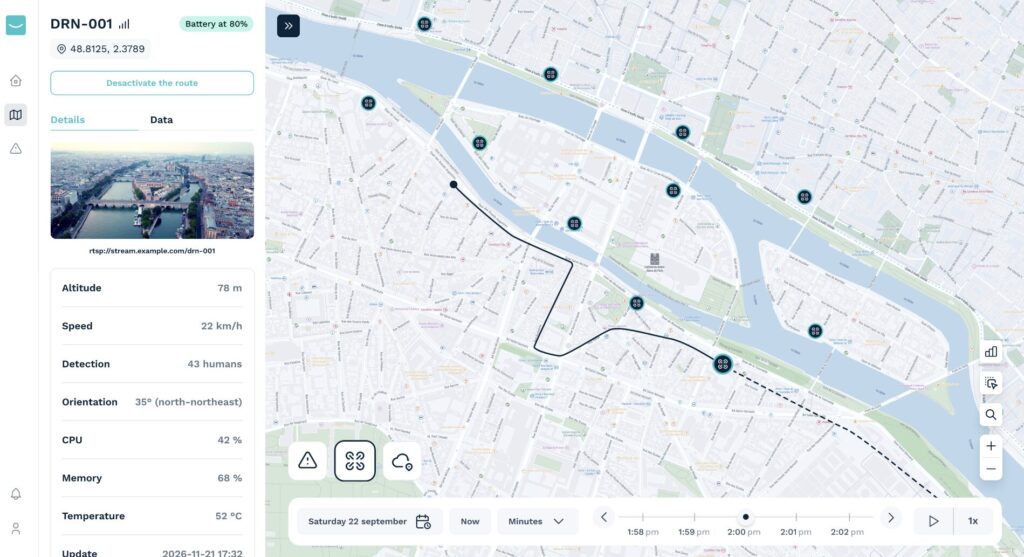
The trial demonstrated that a distributed, largely automated edge–cloud platform can bring reliable orchestration and monitoring to a genuine emergency-response setting, validating both the technology and the underlying approach. It showed a scalable method for automated edge–cloud deployment that is applicable to other distributed, mission-critical environments beyond flood response.
The validated approach provides a foundation for extending automated edge computing to other distributed, mission-critical scenarios beyond flood response. The COGNIFOG platform and its open-source components remain available for continued development beyond the project’s completion.