Status:
✅ Finalized
⇨
Cities generate approximately 70% of global greenhouse gas emissions, with road transportation accounting for a quarter of this total. In Europe, traffic congestion costs €110 billion annually. Safety is a critical concern: 20,000 people die annually on European roads, with 50% of these fatalities occurring at intersections.
Local transformation context:
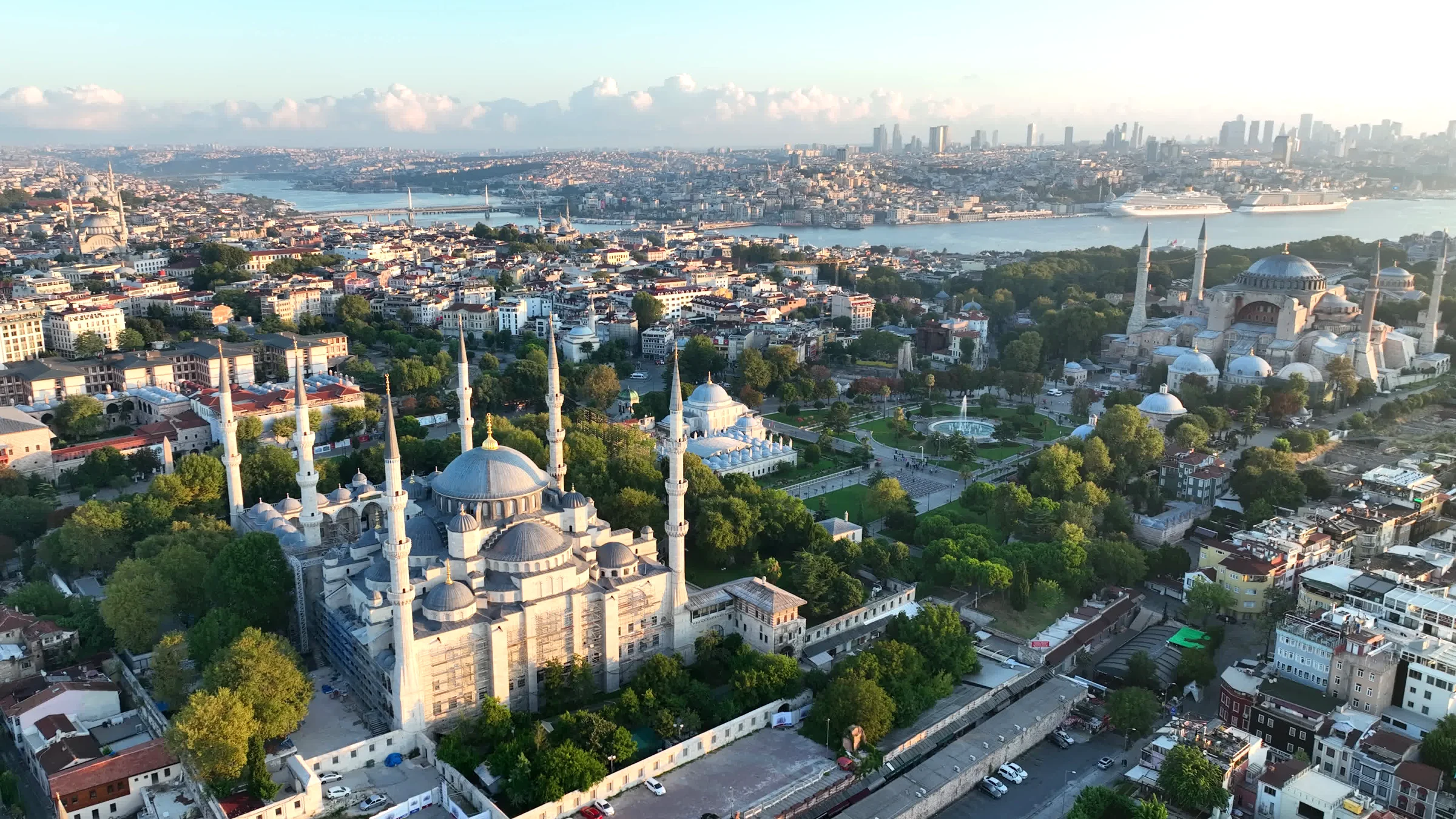
How it manifests: Intersections are the primary “hotspots” for both traffic accidents and infrastructure bottlenecks. In Istanbul, the sheer volume of 34 million daily trips makes manual oversight impossible to scale. In Helsinki, the surge of vehicles from ferries creates immediate gridlock that clashes with public transport priorities.
Who is affected: Traffic management operators (suffering from cognitive overload), citizens (impacted by air pollution and lost time), and vulnerable road users.
Current approach: Traffic monitoring remains heavily manual. Operators must monitor camera feeds and intensity maps or wait for citizen phone calls to identify incidents.
The Gap: Monitoring tools are fragmented. Operators must juggle separate systems for data analysis, camera surveillance, and event tracking. This lack of integration prevents a proactive, real-time response to “abnormal situations” before they escalate into major accidents or total gridlock.
The city needs an automated way to detect abnormal traffic patterns and a unified interface that consolidates fragmented data sources (cameras, sensors, mobile apps) to support real-time interventions.
Get in touch to express your interest or explore how you can contribute.