
 CrowdScan is a Belgian technology company specializing in real-time crowd analytics and people counting solutions. Founded in 2020 as a spin-off from imec and the University of Antwerp, the company builds on more than six years of academic research in wireless sensing technologies and urban data analytics.
CrowdScan develops innovative tools that help cities, public transport operators, and event organizers better understand how people move and gather in public spaces. Its technology provides highly accurate insights into crowd density and dynamics while ensuring full respect for individual privacy.
By transforming physical crowd activity into actionable data, CrowdScan enables organizations to improve safety, optimize visitor flows, and support more efficient operations in complex and dynamic environments such as city centers, transport hubs, or large-scale events.
The company operates at the intersection of IoT sensing, data analytics, and smart city technologies, helping stakeholders make better-informed operational and policy decisions based on real-time and historical crowd data.
 Problems addressed
Urban authorities, transport operators, and event organizers increasingly need reliable information about crowd presence and movements in order to manage complex public environments. However, traditional monitoring approaches often present several limitations:
CrowdScan addresses these challenges through a privacy-friendly and scalable crowd measurement technology.
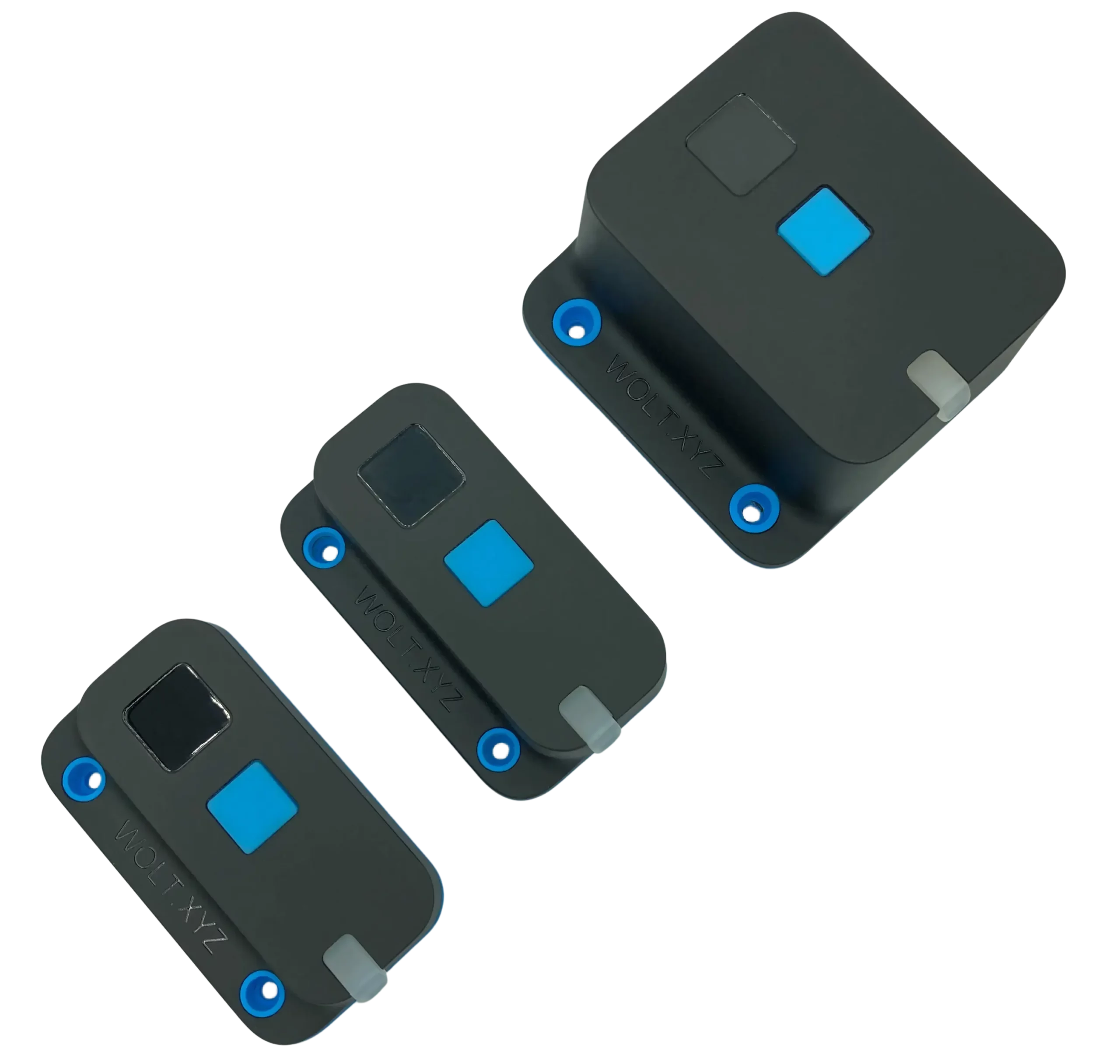
CrowdScan’s patented approach relies on a wireless sensor network that measures radio signal attenuation in an environment to estimate crowd density.
Unlike camera-based systems, this technology does not track individuals or devices. Instead, it detects how the presence of people affects radio signals exchanged between sensors. This method provides a fully anonymous and privacy-preserving way to analyze crowd dynamics, making it particularly suitable for smart city environments and public infrastructure.
The sensors transmit data to cloud-based systems where analytics algorithms generate real-time insights, historical analysis, and predictive models to support operational and strategic planning.
CrowdScan technology has been deployed in several real-world environments, including smart city districts, transport infrastructures, and large public events.
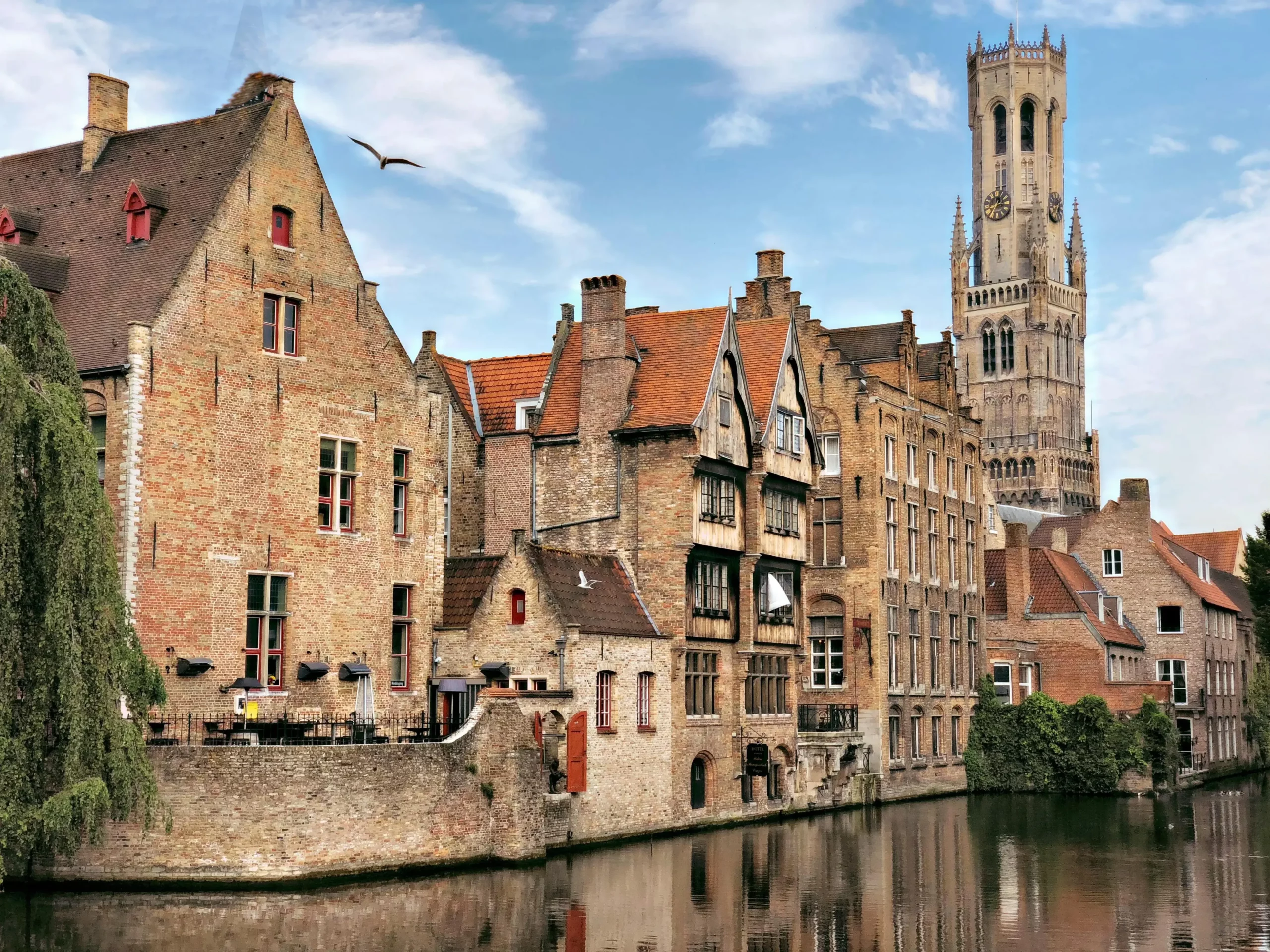
Within the VLOED project, CrowdScan provided real-time crowd density dashboards for the cities of Bruges and Ghent. The data helps local stakeholders, including businesses and city authorities, better understand visitor flows and economic activity in shopping areas.
The project combines crowd monitoring data with other sources to provide insights into traffic patterns and to support predictive analytics for urban activity.
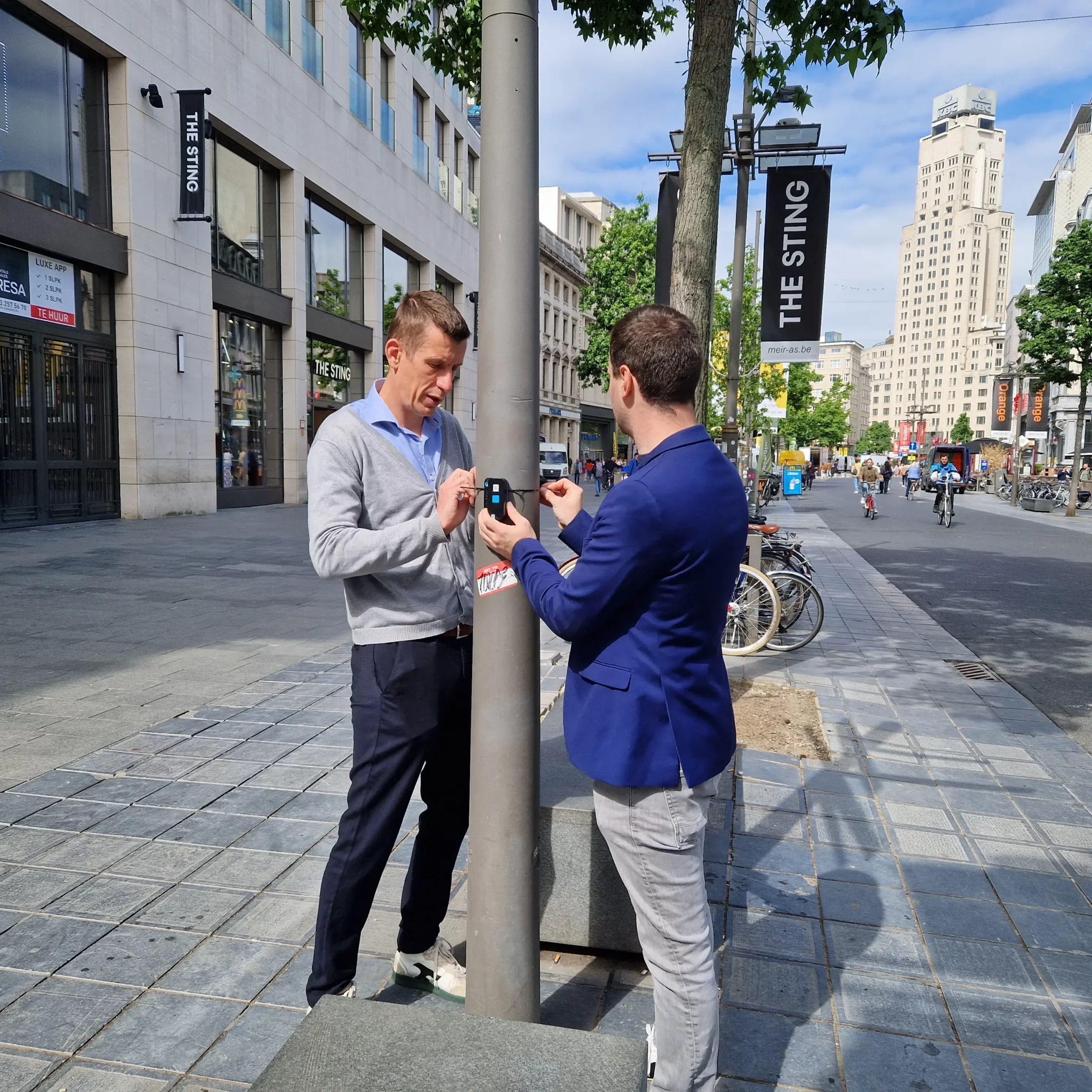
CrowdScan sensors have been deployed in the Meir shopping street in Antwerp to monitor visitor density and movement. The data allows the city to better understand how people use public space and to link crowd patterns with other datasets such as weather, mobility, or economic indicators.
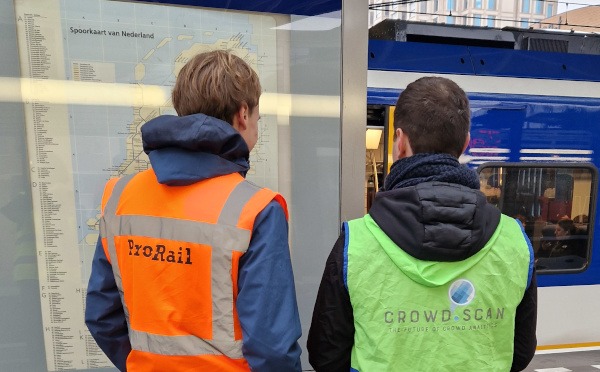
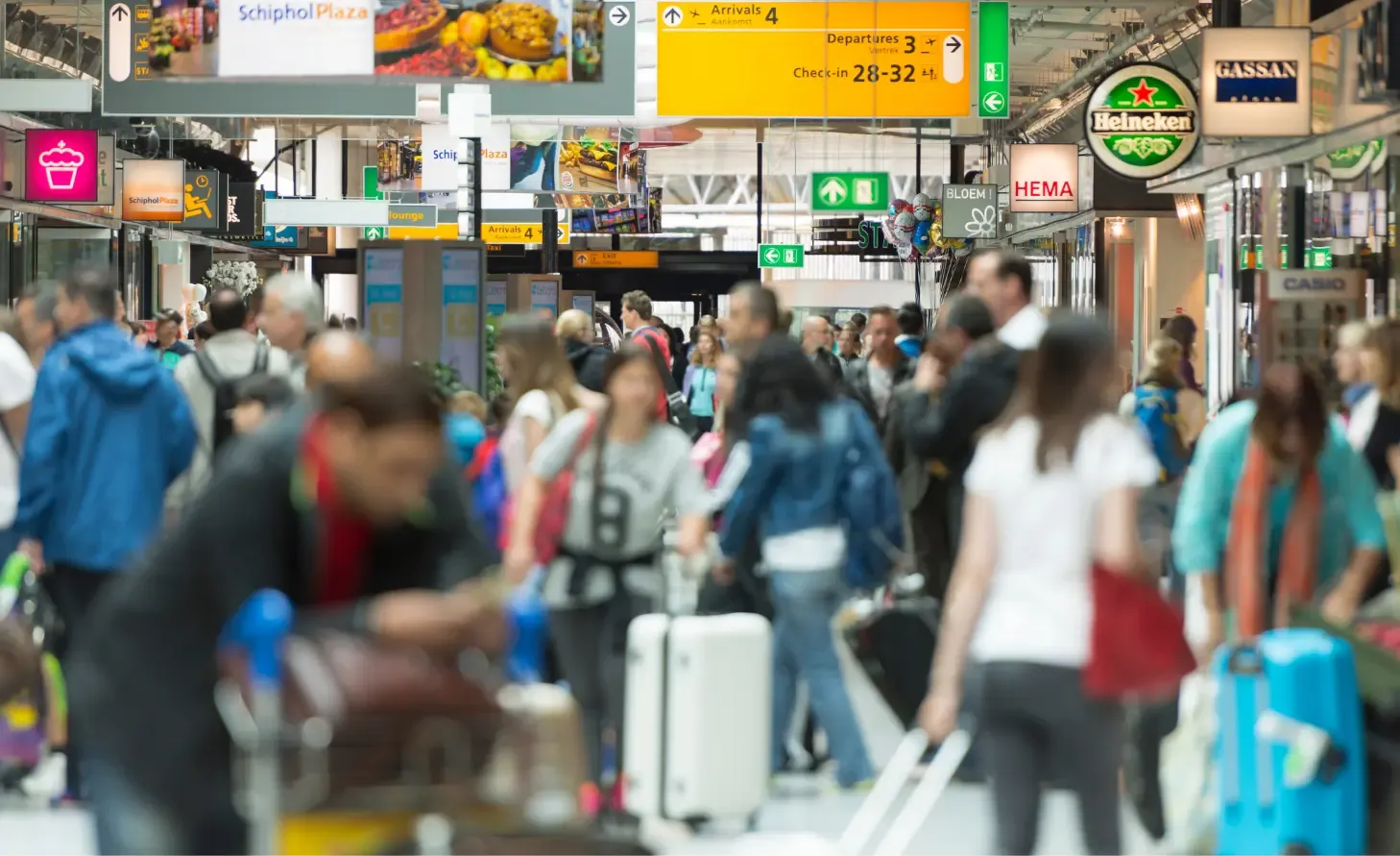
CrowdScan’s technology has also been tested and deployed in transport environments to analyze passenger density in stations and platforms. For example, pilot projects with TRAM Barcelona and railway operators have explored how the solution can support safer and more efficient passenger flow management.
These projects evaluate how crowd data can be integrated into operational control systems and used to trigger alerts or improve platform and station management.