
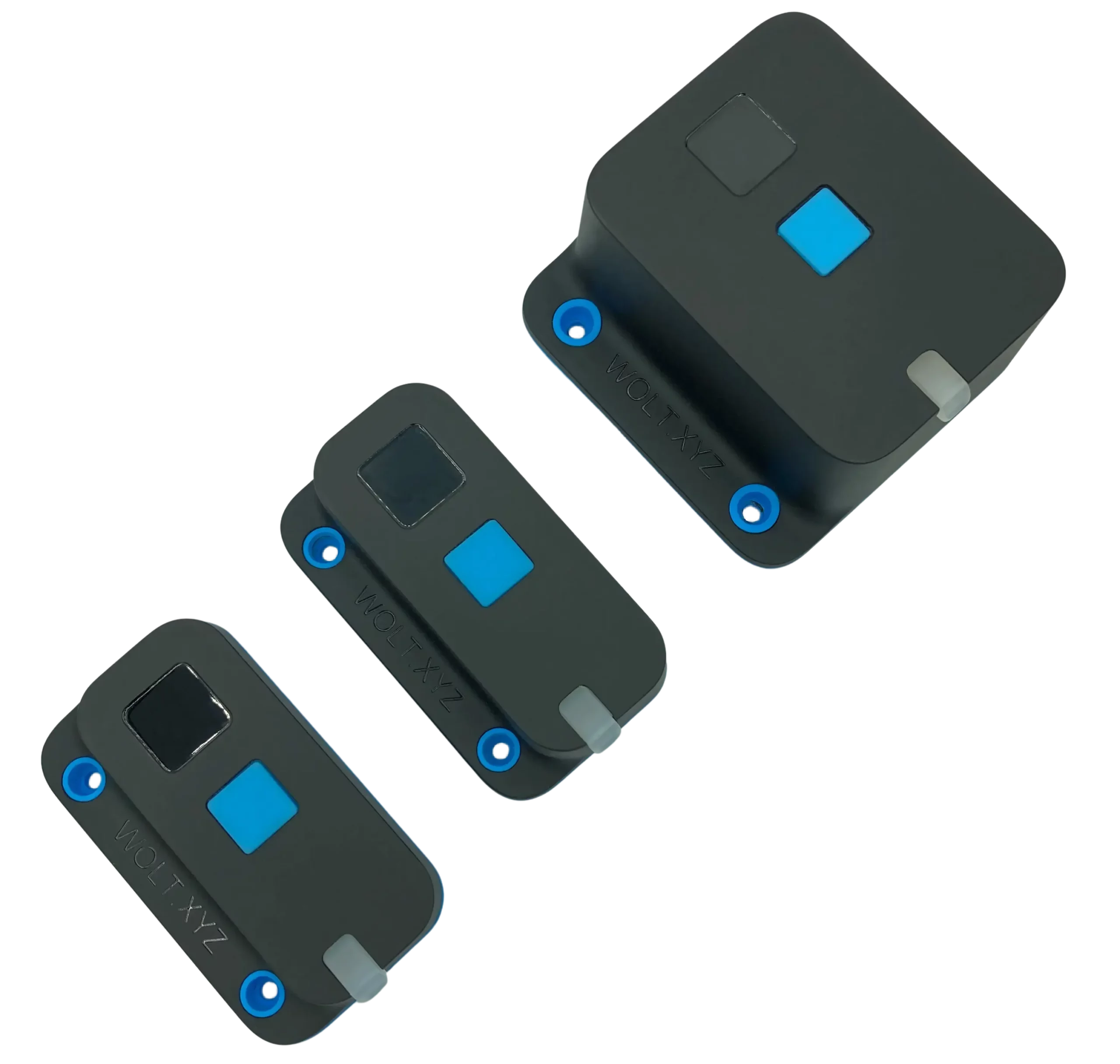
CrowdScan provides a crowd monitoring and analytics platform designed to measure pedestrian flows and crowd density in public spaces while preserving privacy.
The solution uses dedicated sensors that detect signals from mobile devices to estimate the number of people present in a given area and analyse movement patterns. This information is processed and visualised through a data platform that allows users to monitor crowd dynamics in real time and analyse long-term trends.
By providing reliable insights into pedestrian behaviour, CrowdScan enables cities, transport operators, and event organisers to improve safety, optimise infrastructure usage, and support data-driven urban planning.
Key capabilities include:
CrowdScan relies on a network of sensors deployed in public spaces. These sensors detect wireless signals emitted by mobile devices and use this information to estimate the presence and movement of people in a given area.
The system does not identify individuals but aggregates data to provide anonymised insights into crowd behaviour.
The solution collects and processes several types of data inputs:
These inputs are processed to produce aggregated indicators related to crowd presence and movement.
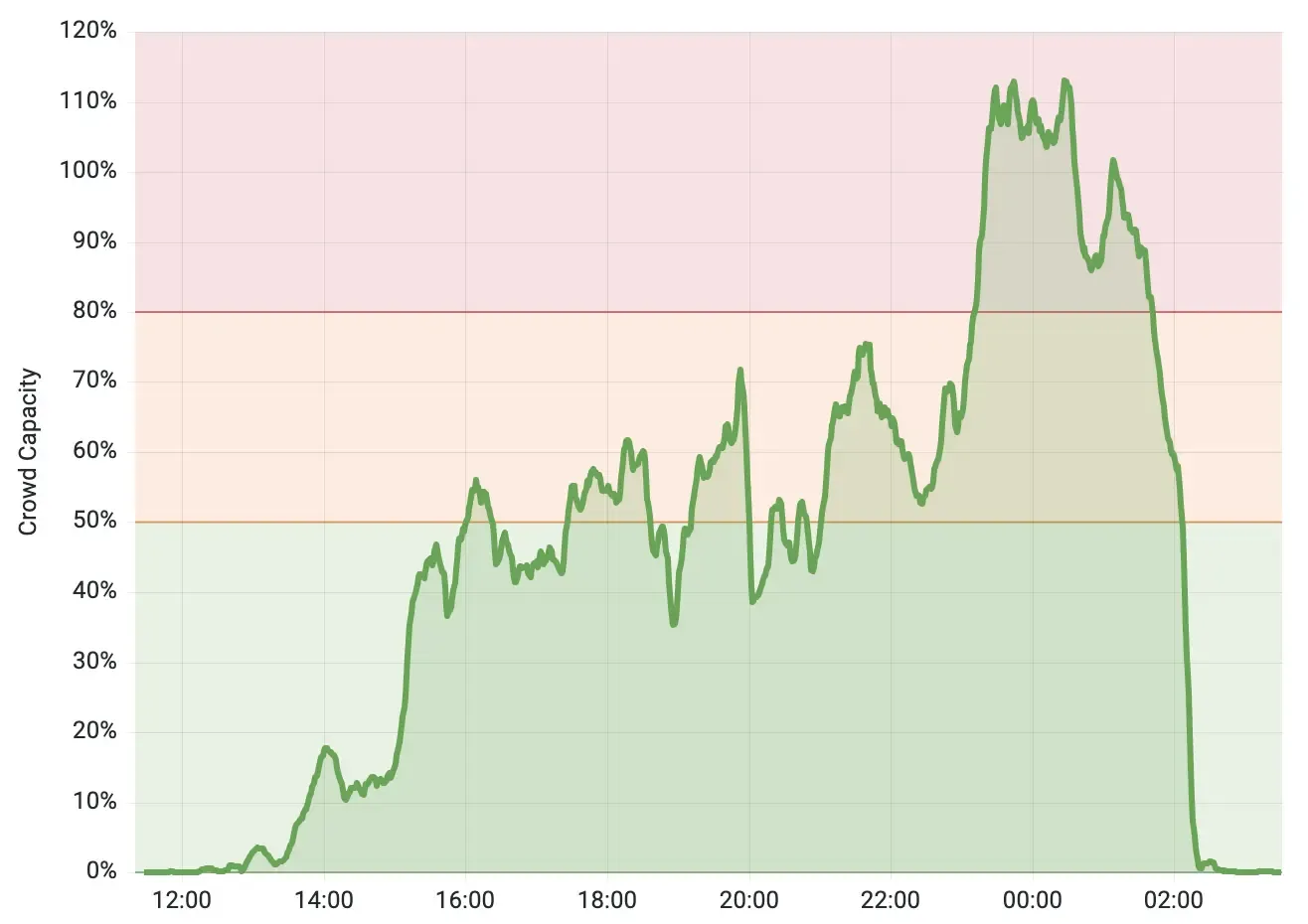
CrowdScan provides a platform that transforms collected data into operational insights. Users can access visual dashboards and analytics tools to understand how people use public spaces.
Outputs typically include:
These outputs help stakeholders understand peak usage periods, identify congestion points, and monitor the impact of events or urban interventions.
By providing continuous data on pedestrian flows, CrowdScan supports a wide range of operational and strategic decision-making processes.
The solution enables authorities and operators to:
CrowdScan’s approach focuses on combining accurate crowd analytics with strong privacy protection.
Key differentiating aspects include:
CrowdScan solutions are used to analyse and manage pedestrian flows in various contexts where understanding crowd behaviour is essential.
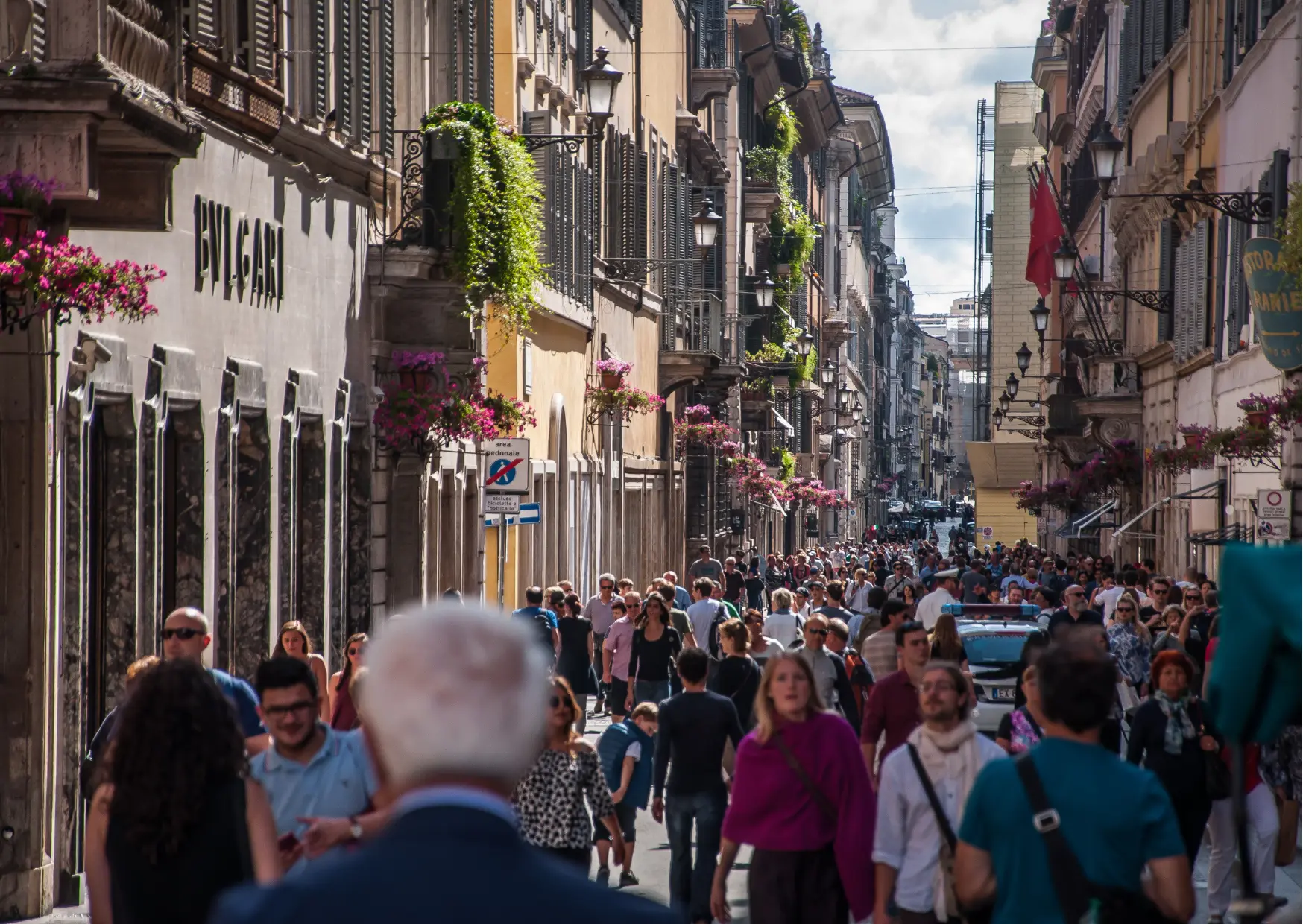
Cities can deploy CrowdScan sensors in squares, pedestrian streets, or tourist areas to monitor how people use public spaces.
This information helps municipalities:
• evaluate the attractiveness of public areas
• identify congestion points
• measure the impact of urban design interventions or public events
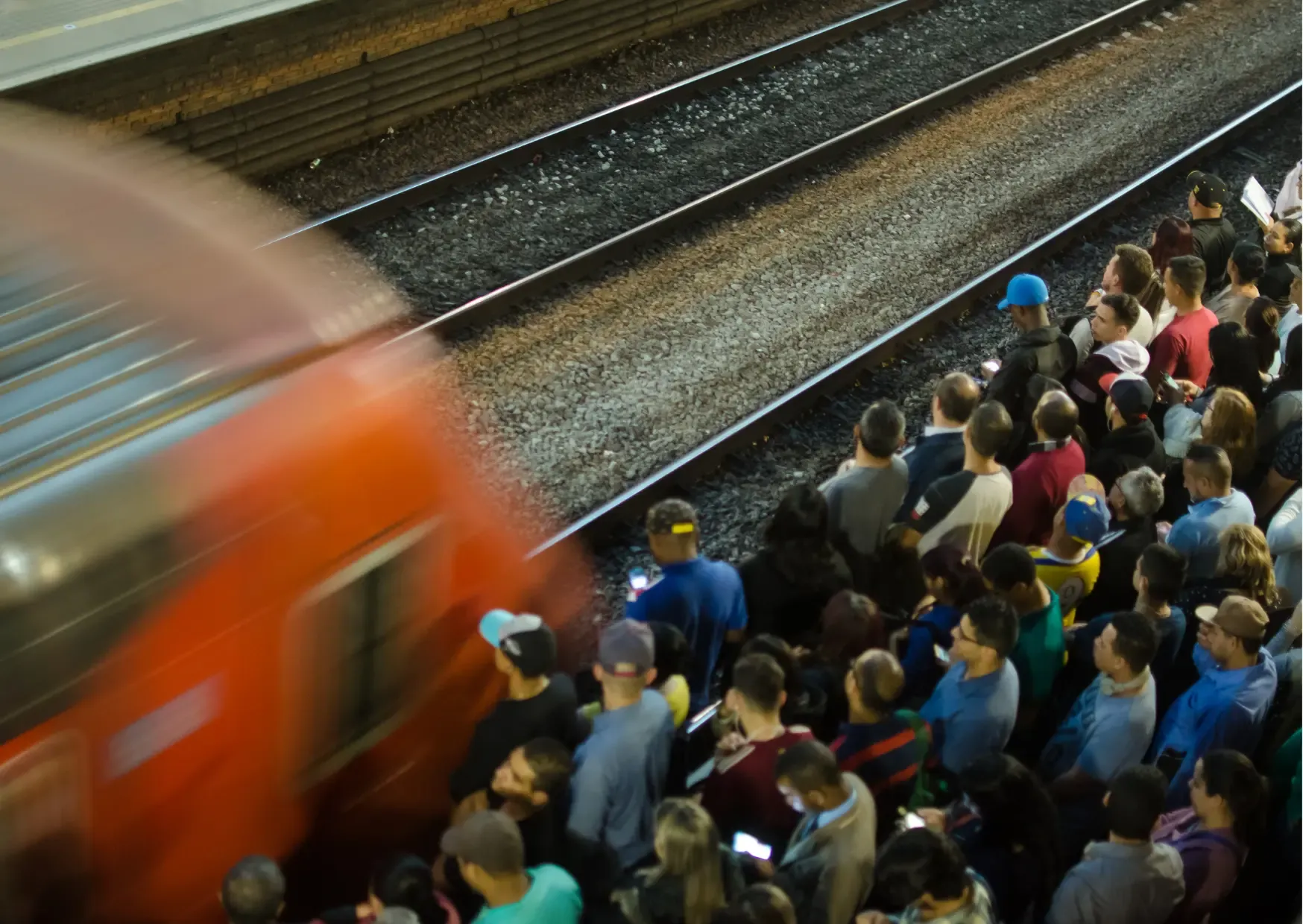
CrowdScan can be deployed in stations, terminals, or mobility hubs to analyse passenger flows and optimise operations.
Use cases include:
• monitoring peak traffic periods
• improving passenger circulation
• supporting infrastructure planning
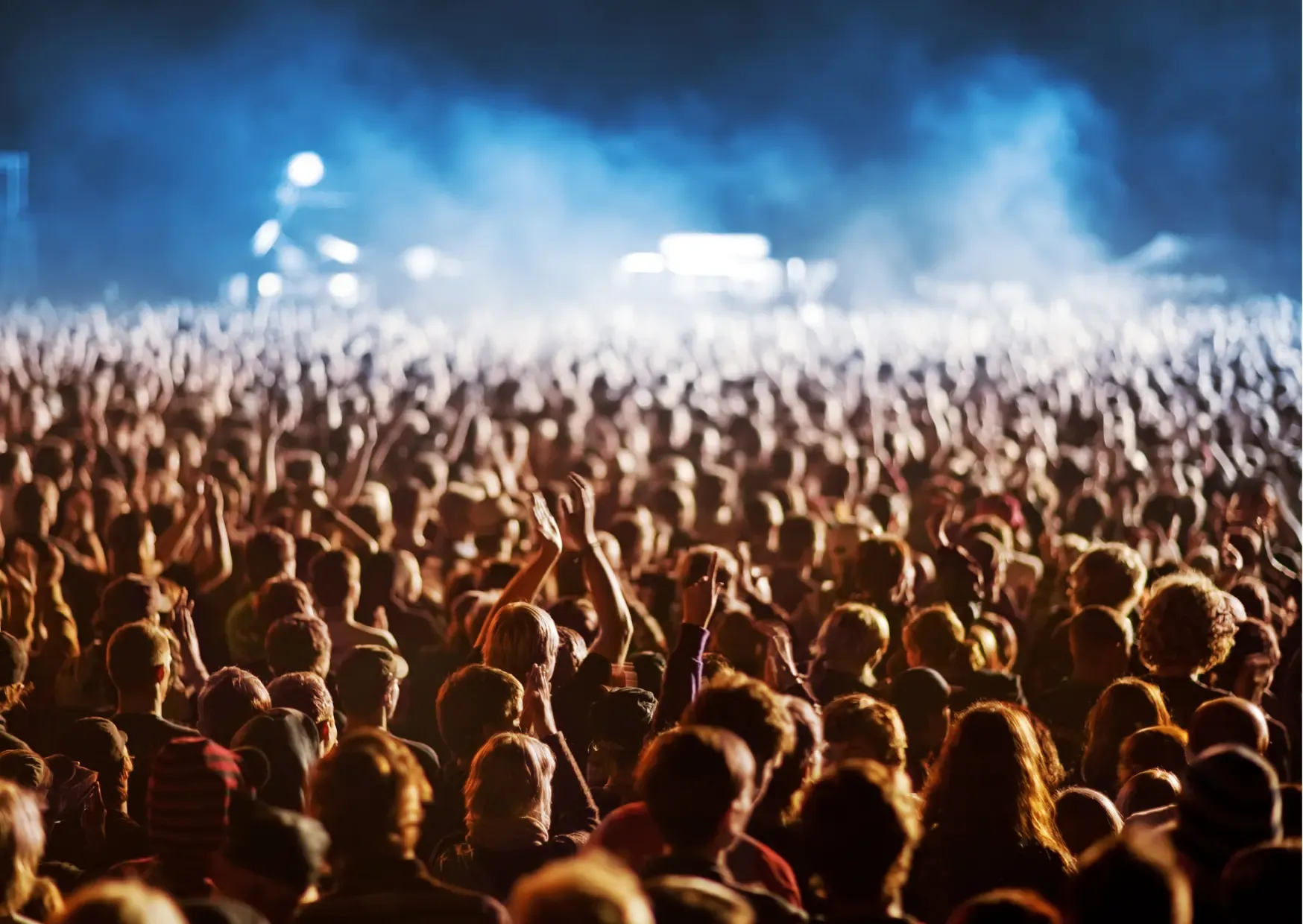
Event organisers can use CrowdScan to monitor crowd density and movement during large events, festivals, or public gatherings.
The system helps improve safety and operational coordination by providing real-time insights into crowd conditions.
Scale of application
CrowdScan solutions can be deployed at different spatial scales depending on the monitoring needs:
• specific sites such as squares, buildings, or venues
• districts or neighbourhoods
• large urban areas or transport networks