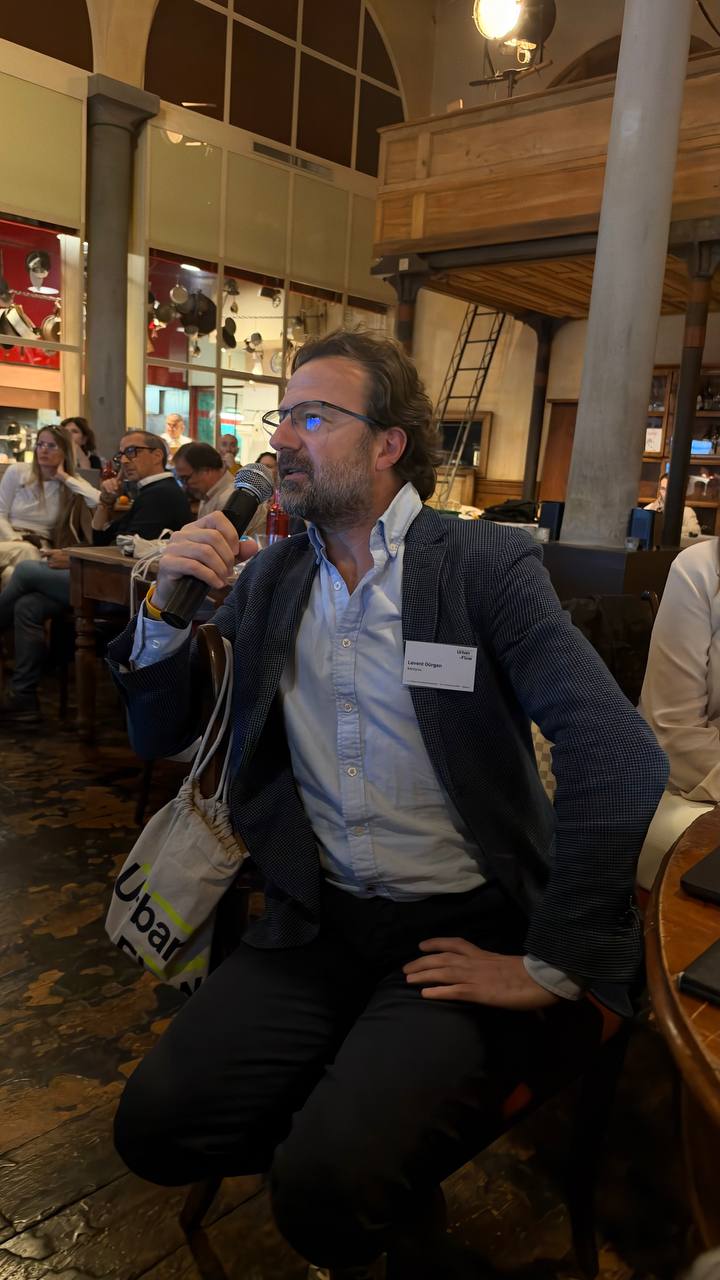
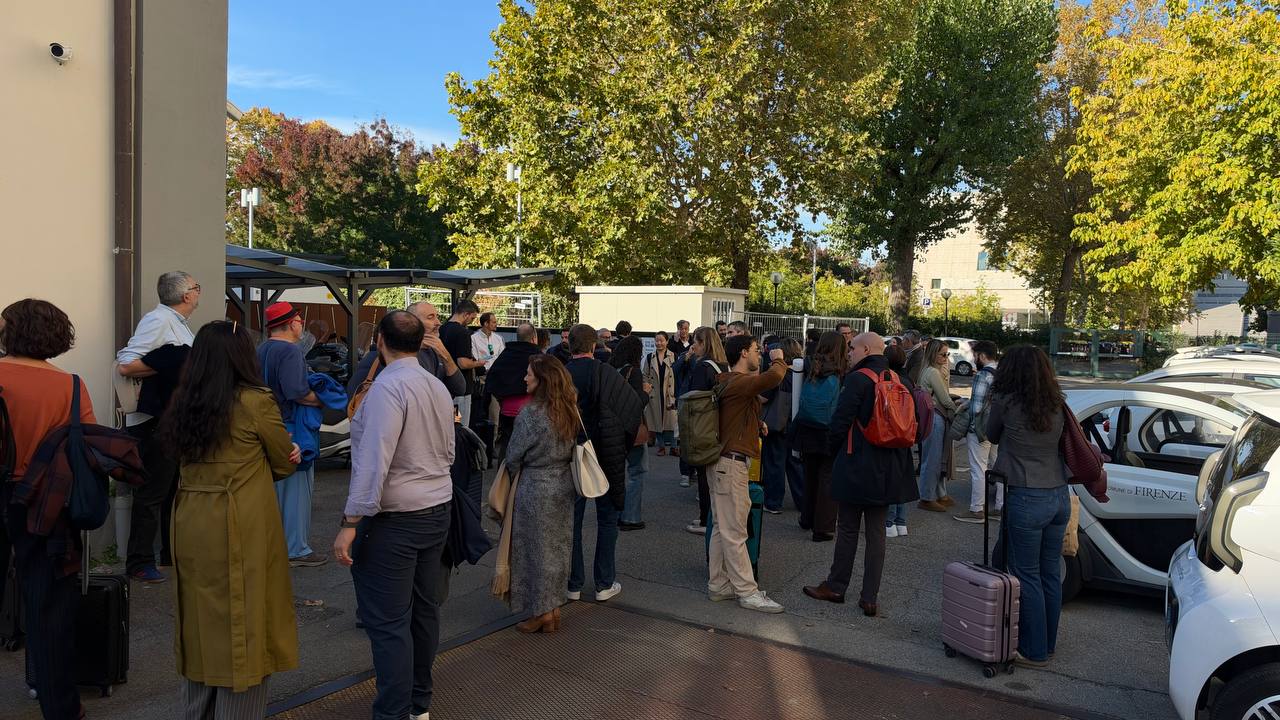
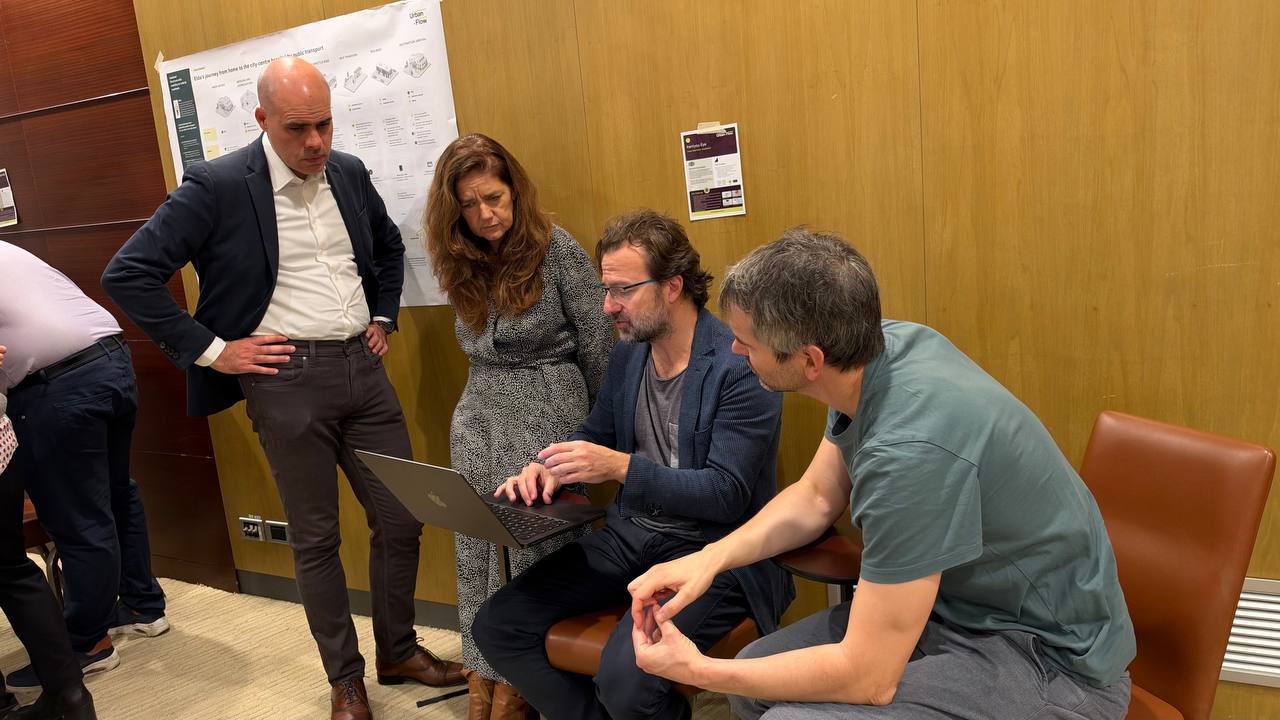
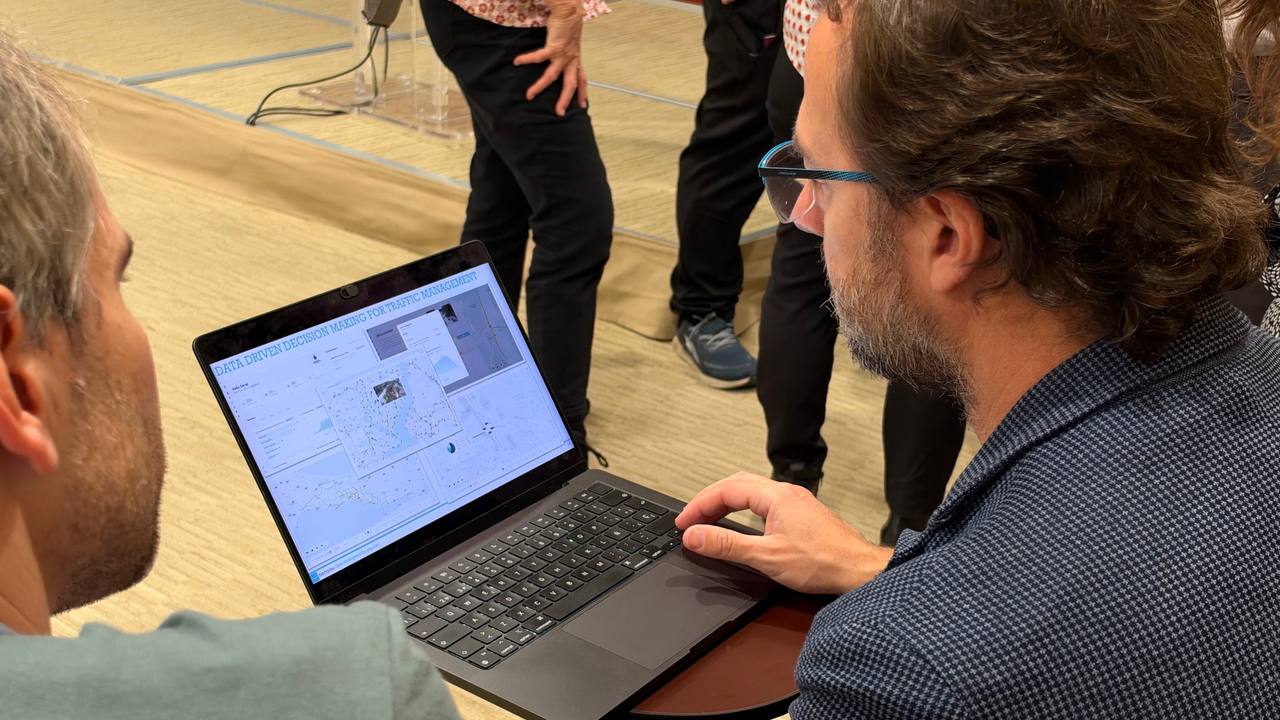
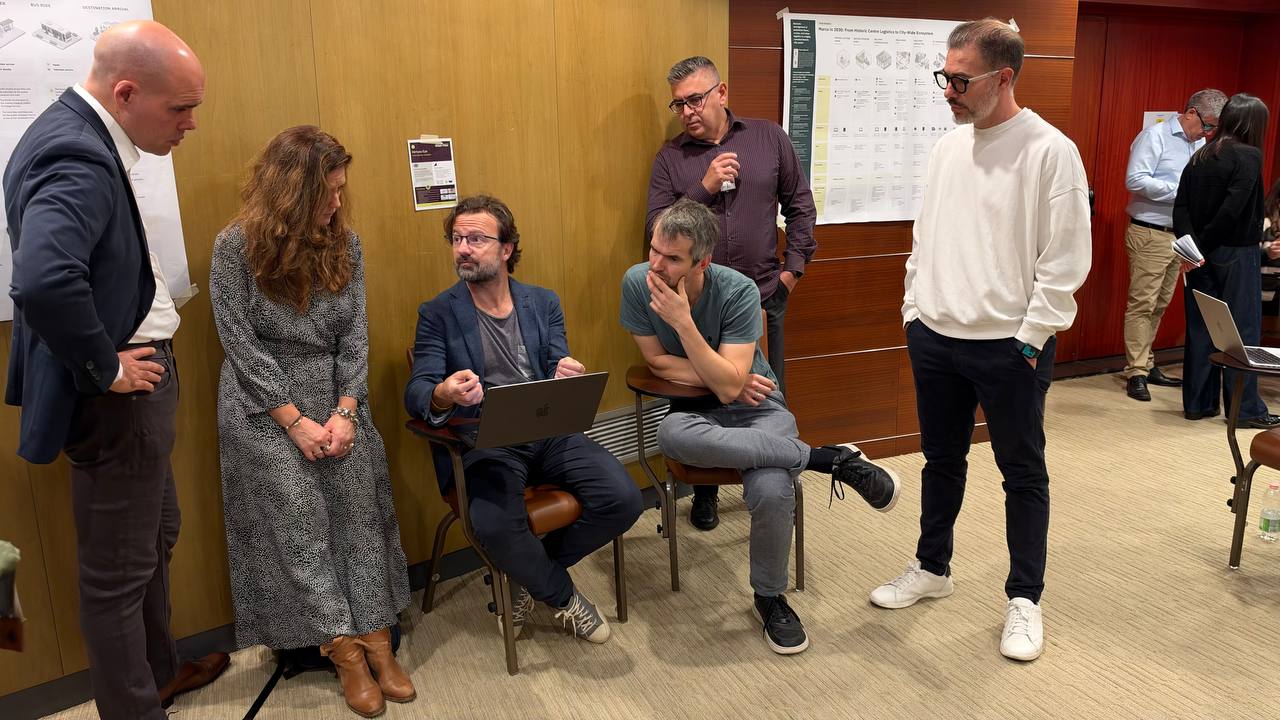
After 10 months of work, partners met at the Urban-Flow General Assembly in Florence to look back on what has been achieved and to plan the next steps. UTA was represented by Dr Levent Gürgen (President), Maryna Gorobei (Smart City Project Manager), and Nataliia Velychko (Communications and Community Manager).
The Urban-Flow General Assembly was held in Florence on 28 and 29 October 2026, with sessions at Teatro del Sale and Starhotels Michelangelo. Vincenzo Tartaglia, Vice City Manager of Florence and Director of its Mobility Infrastructures Department, opened the assembly. Partners from the Urban-Flow consortium met to review progress, share experiences, and discuss how the project can help cities improve their urban environments with sustainable mobility and climate action.
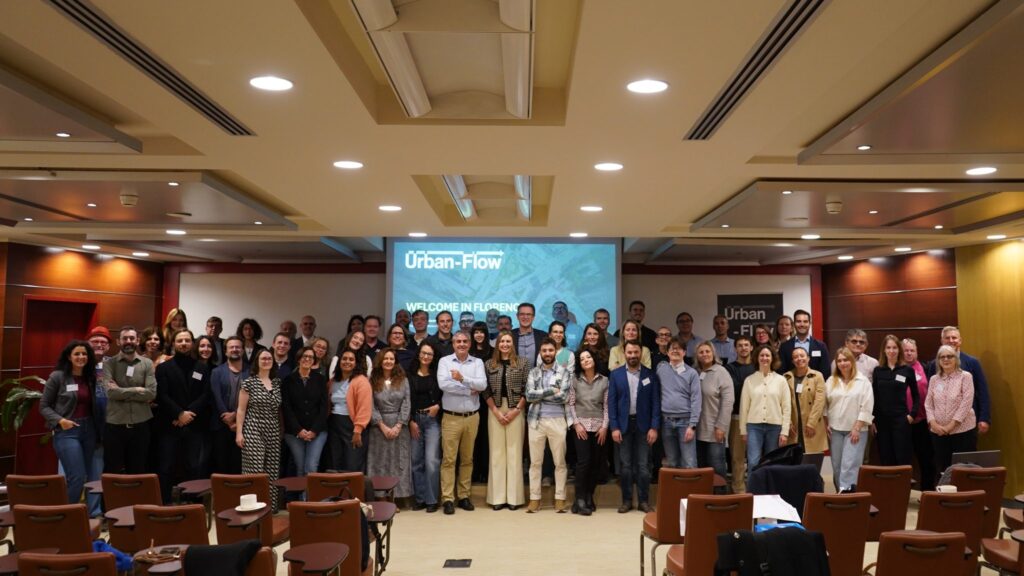
Urban-Flow General Assembly: ten months into the project
The consortium has finished its foundation phase, delivering all four required project documents and reaching all four milestones. One important achievement was releasing the logical architecture for the Urban-Flow Local Digital Twin, which gives a common base for developing tools for the pilot cities.
At the meeting, partners also looked at progress in the project’s main areas: co-creation, the Local Digital Twin, public space redesign, smarter transport and energy, City Living Labs, and communication. CINEA shared the European Commission’s expectations for the projects in the “Rethinking Urban Spaces” cluster.
Florence’s vision for public space
Florence presented its vision for making the city more liveable and climate-friendly by managing public spaces more effectively. Following the 15-minute city idea, the city wants every resident to have a green space within 300 metres.
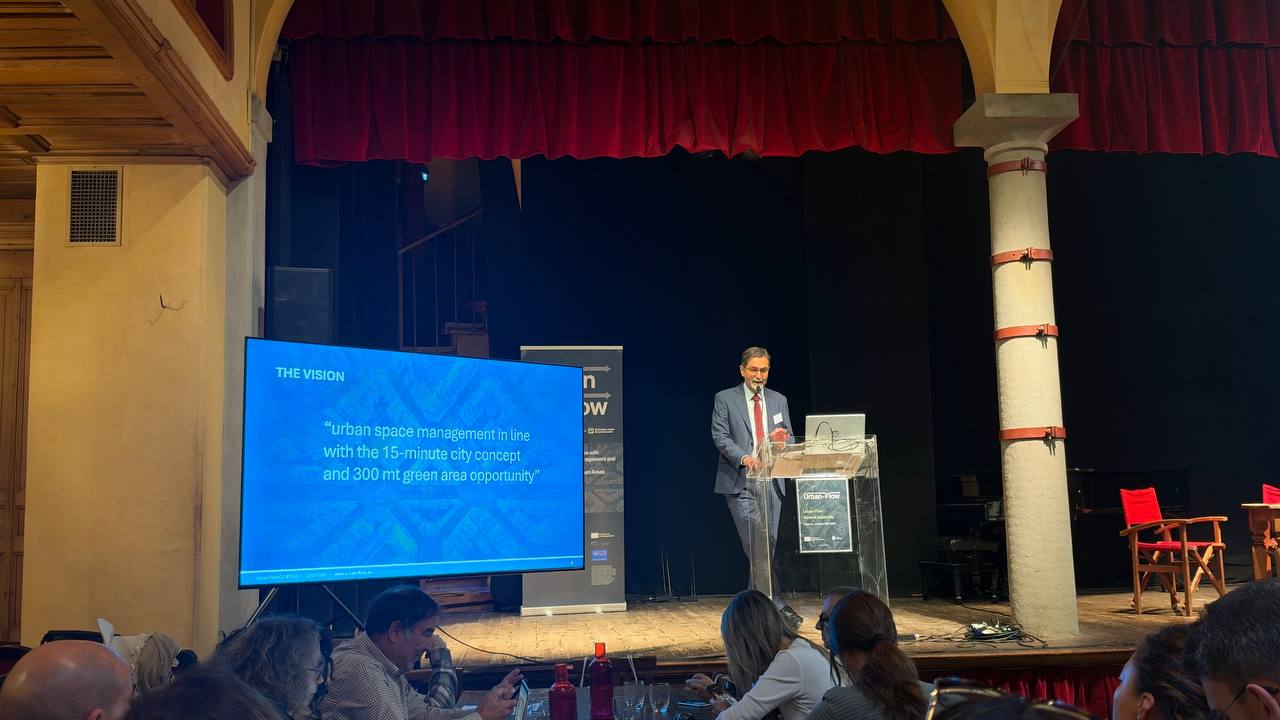
The Urban-Flow pilot in Florence aims to make better use of public spaces, calm traffic, add more green areas, reduce the urban heat-island effect, and involve citizens more. All actions must respect UNESCO World Heritage rules and fit with the city’s mobility, environmental, and climate plans.
Florence also showed how it is putting these plans into action by using sensors and dashboards to monitor public spaces and support decisions based on data.
From data to real-time urban management
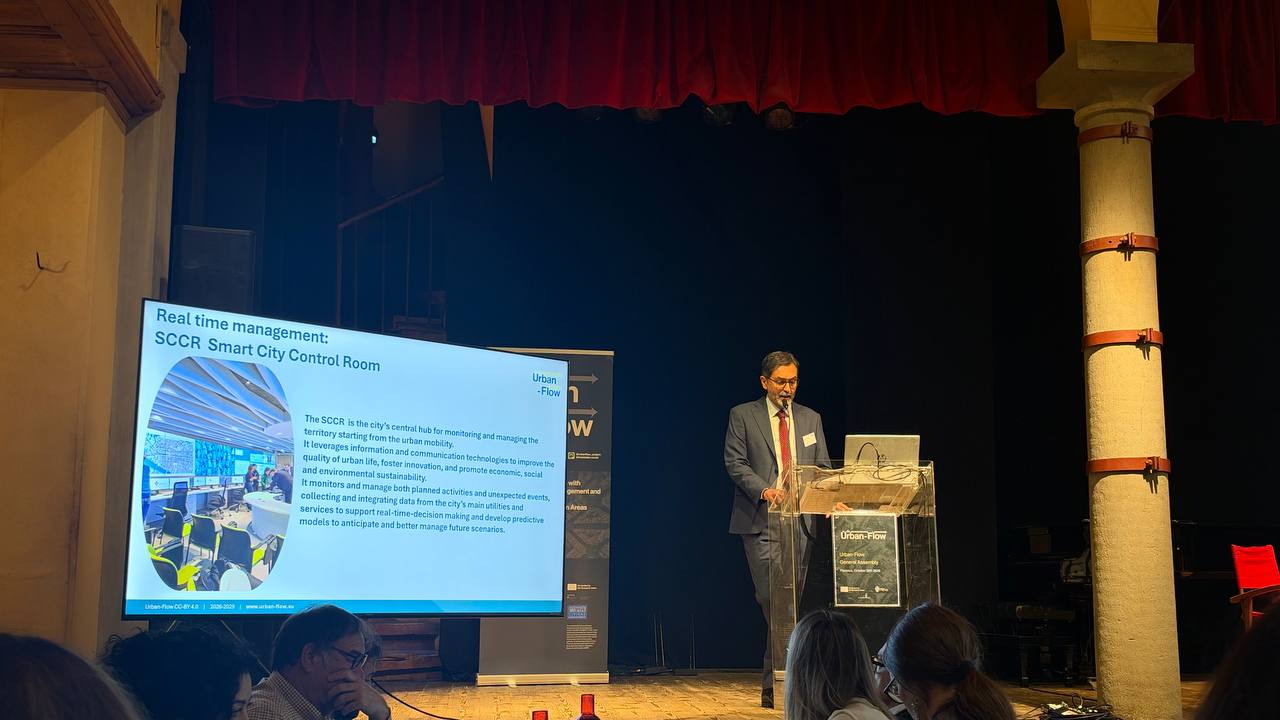
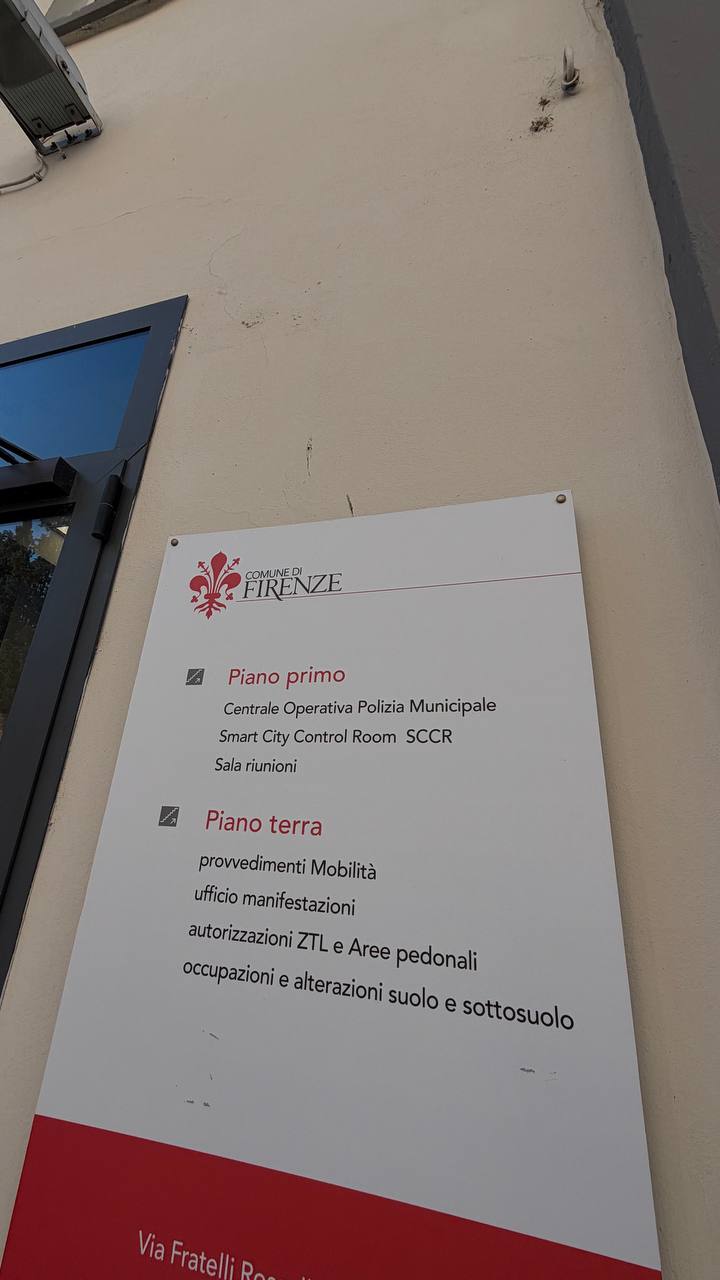
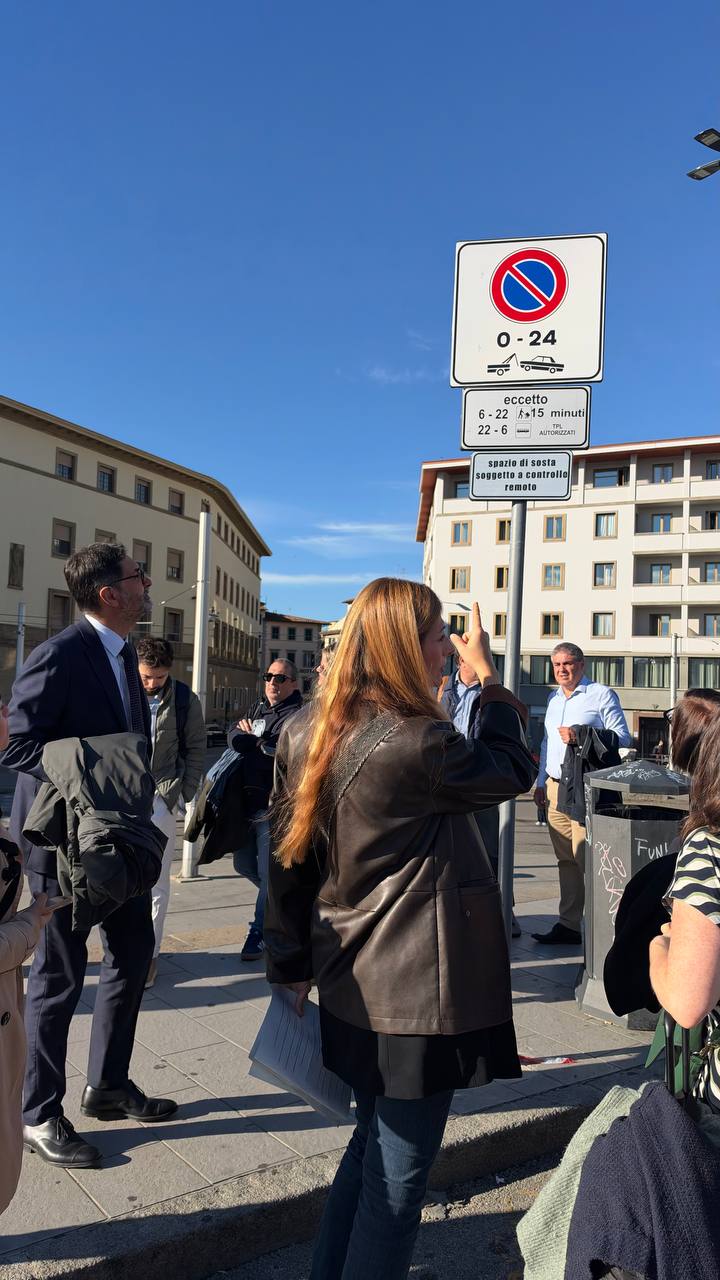
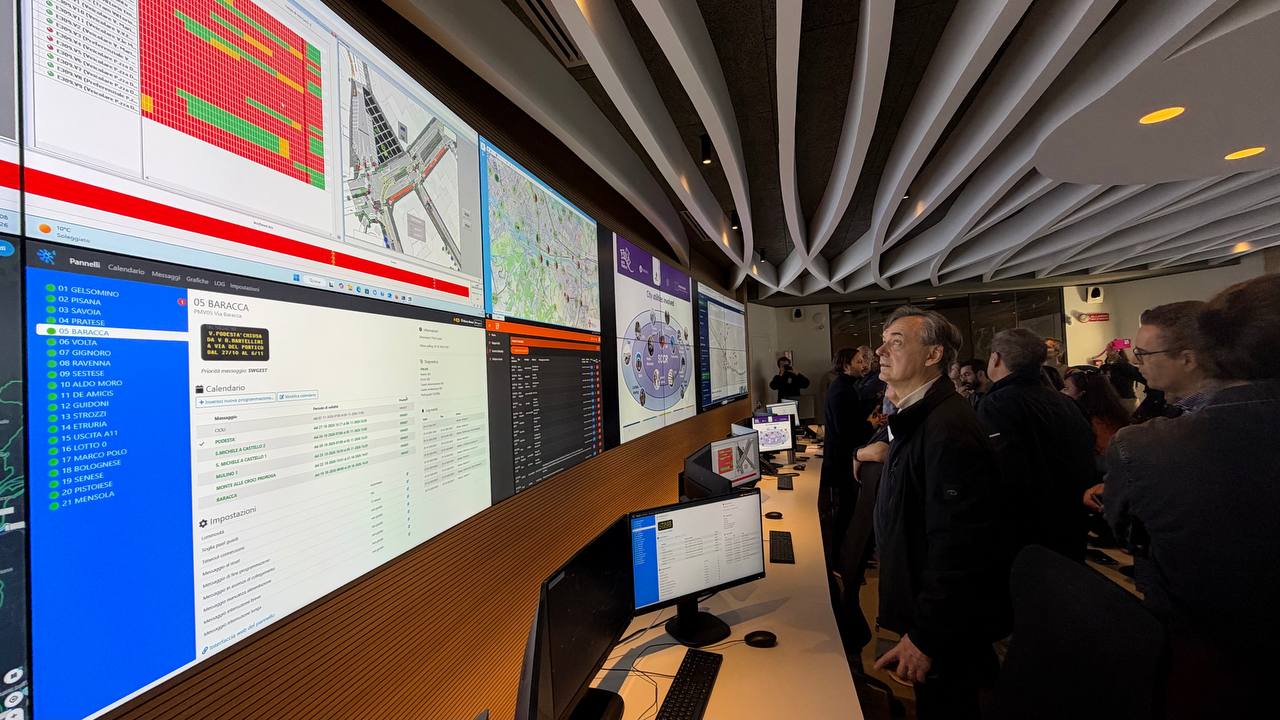
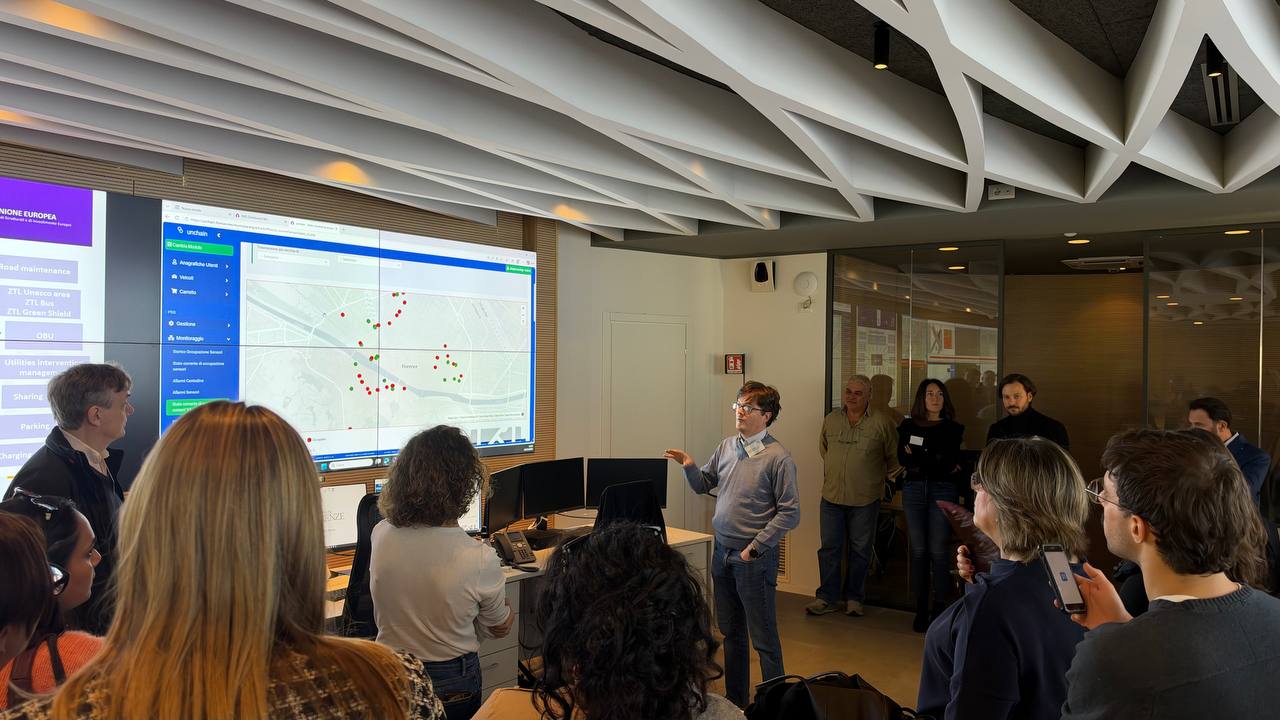
One highlight of the meeting was a visit to Florence’s Smart City Control Room (SCCR), the city’s central hub for monitoring and managing urban activity, particularly mobility.
The control room brings together data from public authorities, transport operators, utility providers, parking services and other mobility stakeholders. A central data lake collects information on traffic, travel times, parking, roadworks, public transport and other urban services.
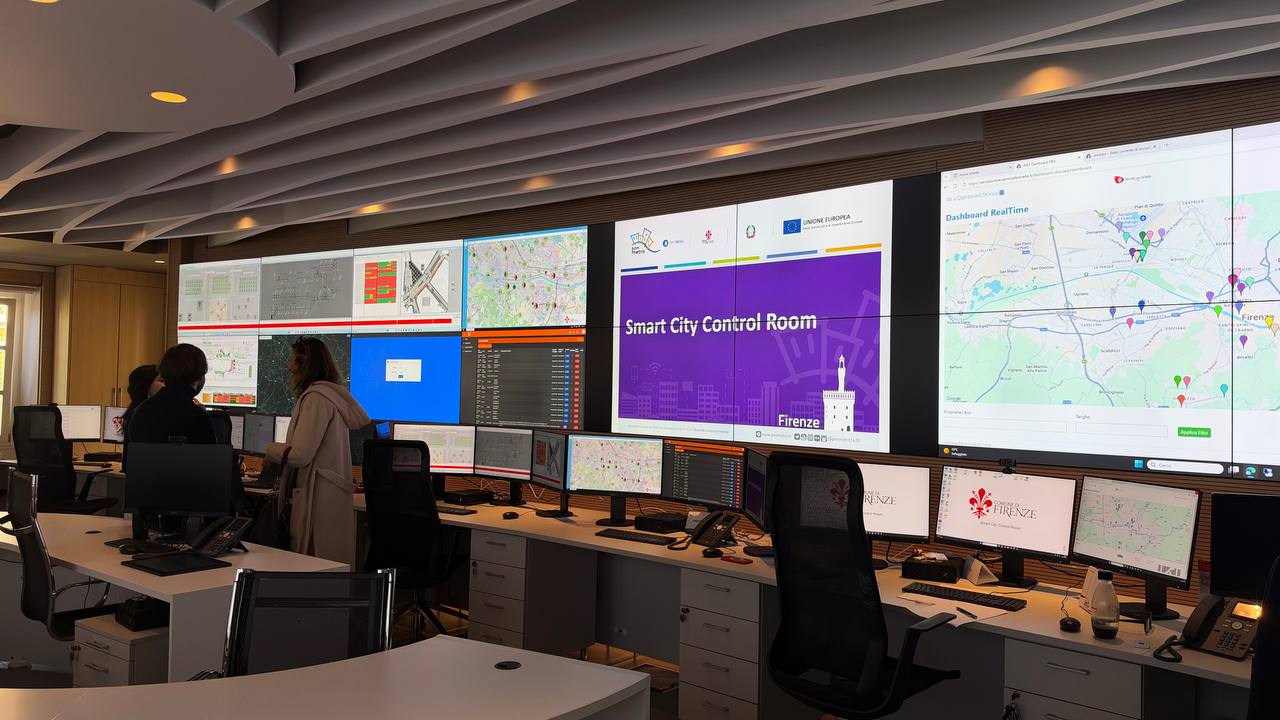
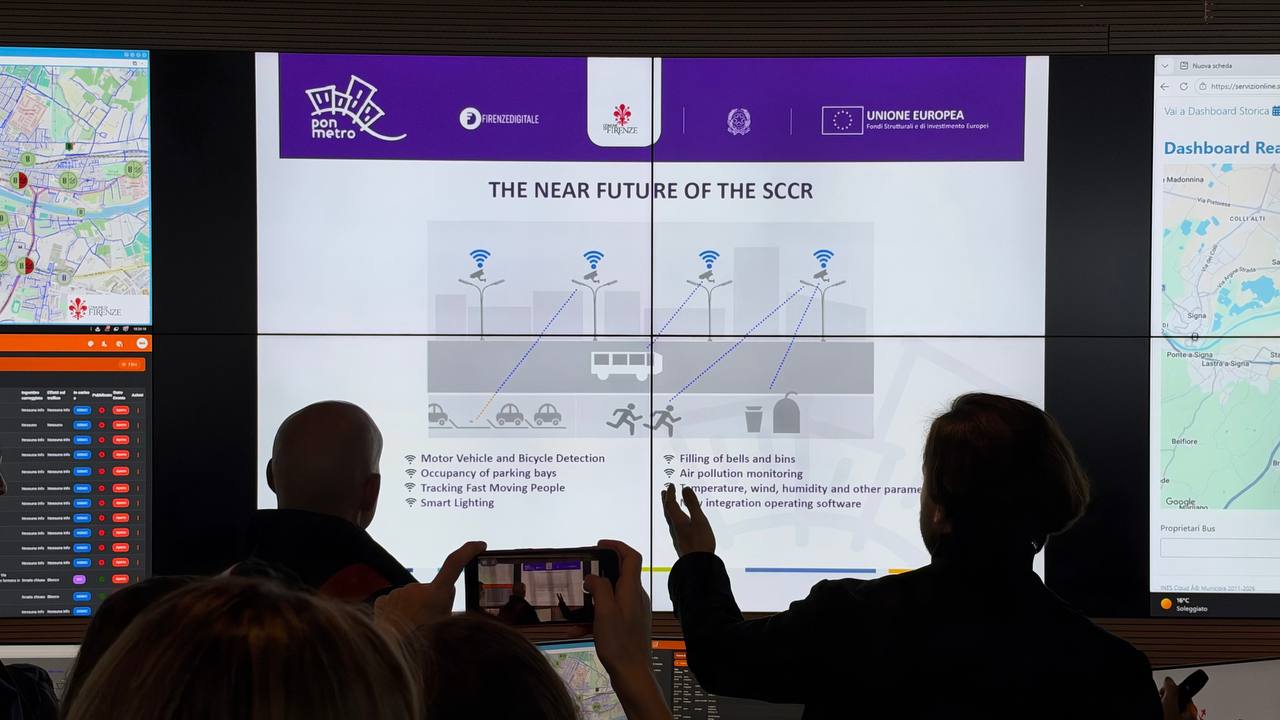
The city uses this data to help manage operations, study mobility patterns, and plan future actions. Florence also shared its plans to add more sensors to track traffic, parking, waste collection, lighting, air quality, and weather.
For Urban-Flow partners, the visit was a valuable real-world example of how using integrated data and smart technologies can help cities manage urban life more effectively.
Connecting cities, tools and people
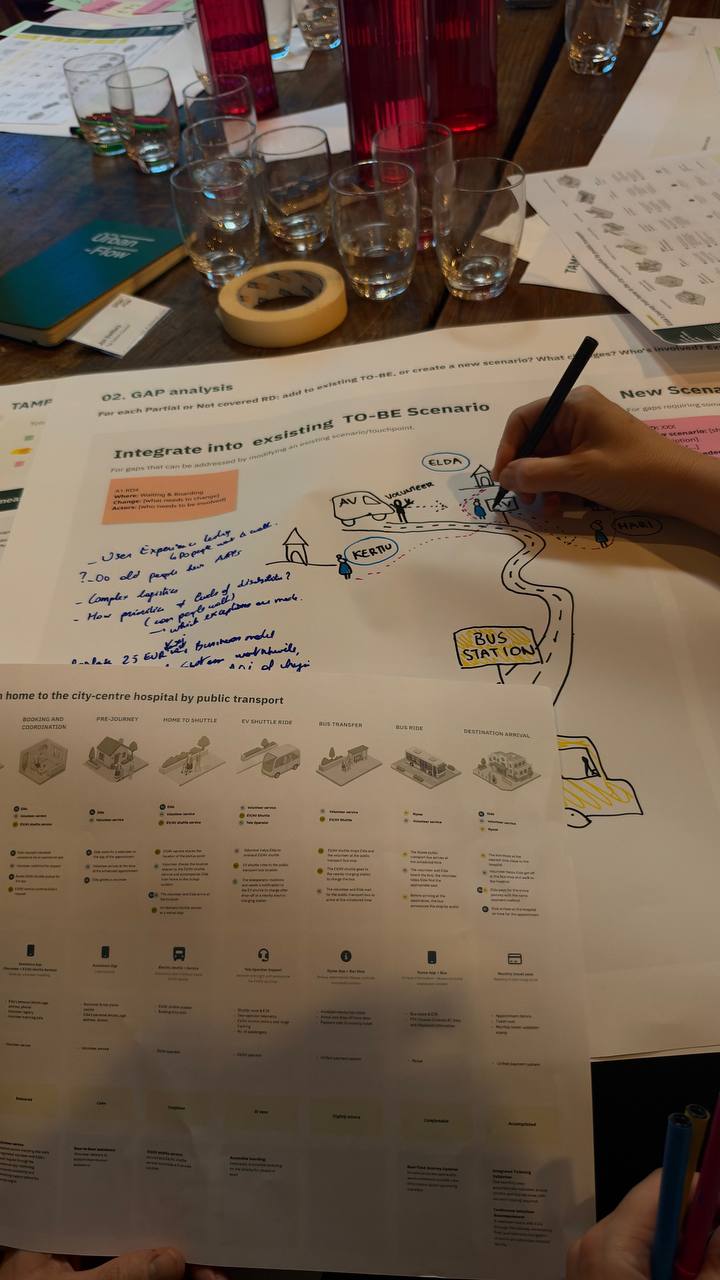
The discussions also covered interoperability, sharing knowledge, and the next phase of the project. Partners looked at how cities can link their systems, data, and tools. Open & Agile Smart Cities (OASC) led a session on interoperability, using Florence as a case study. The Urban-Flow Tools Marketplace let solution teams present their tools to city representatives.
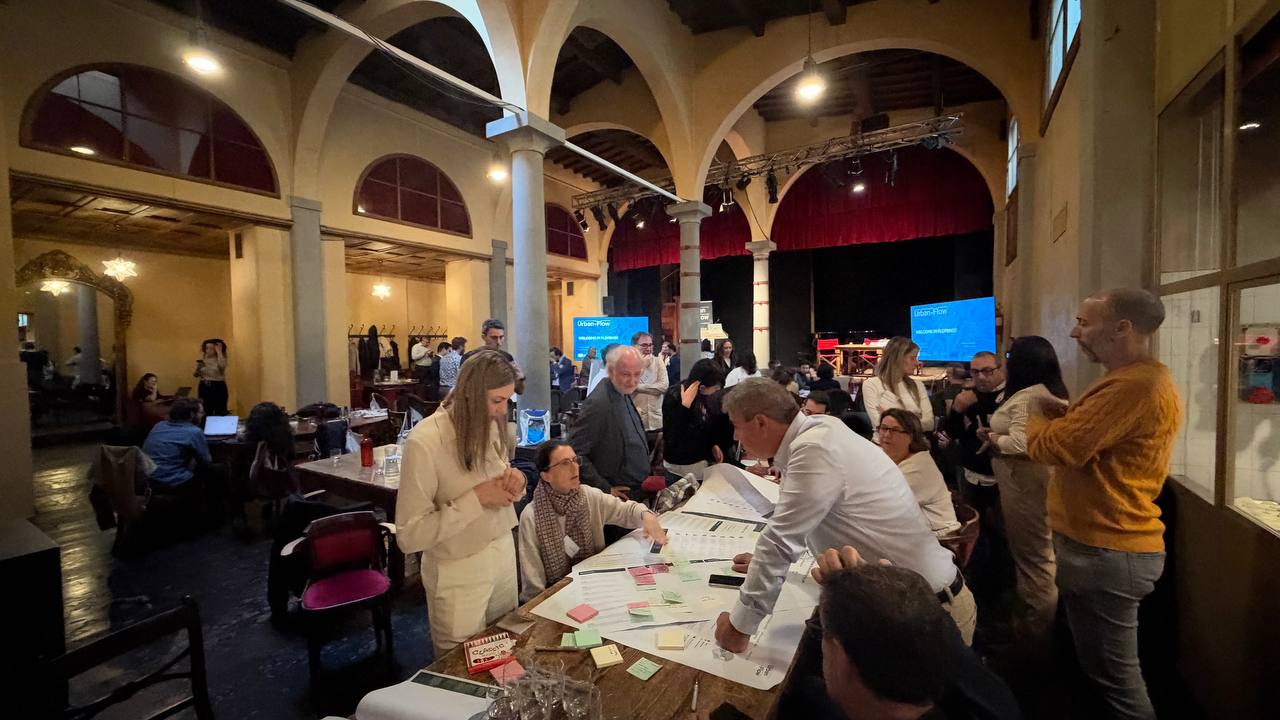
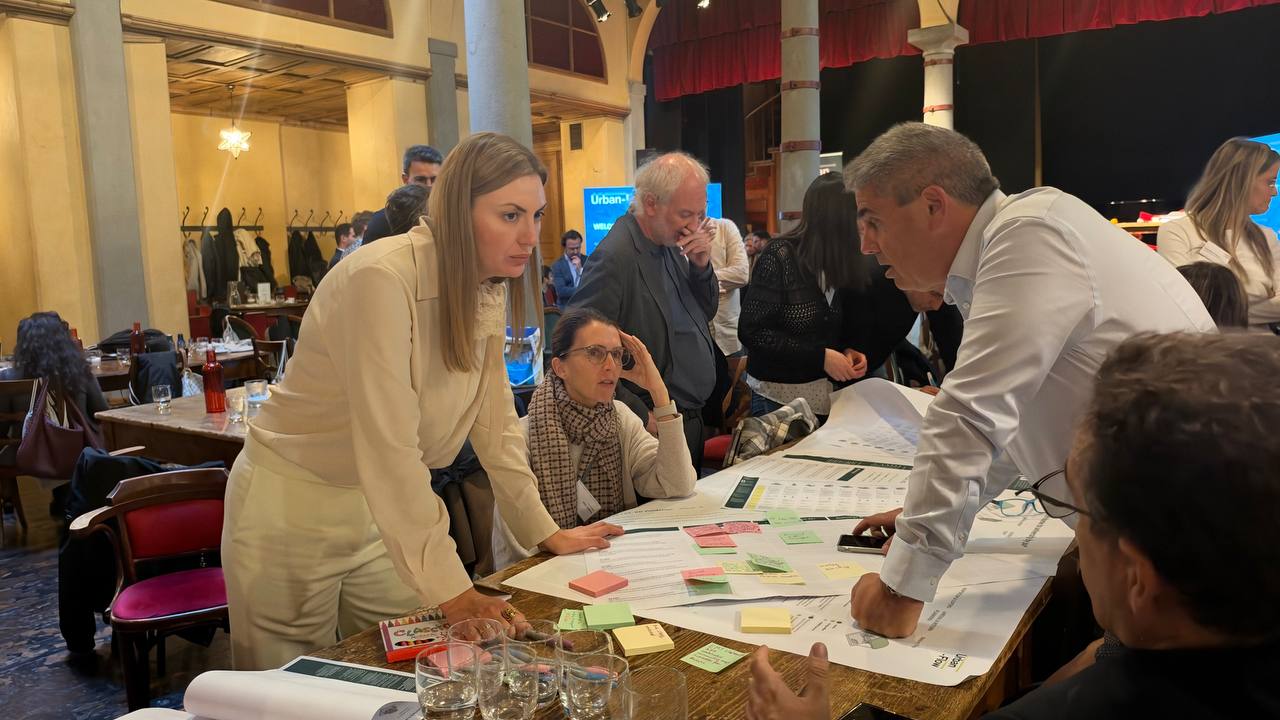
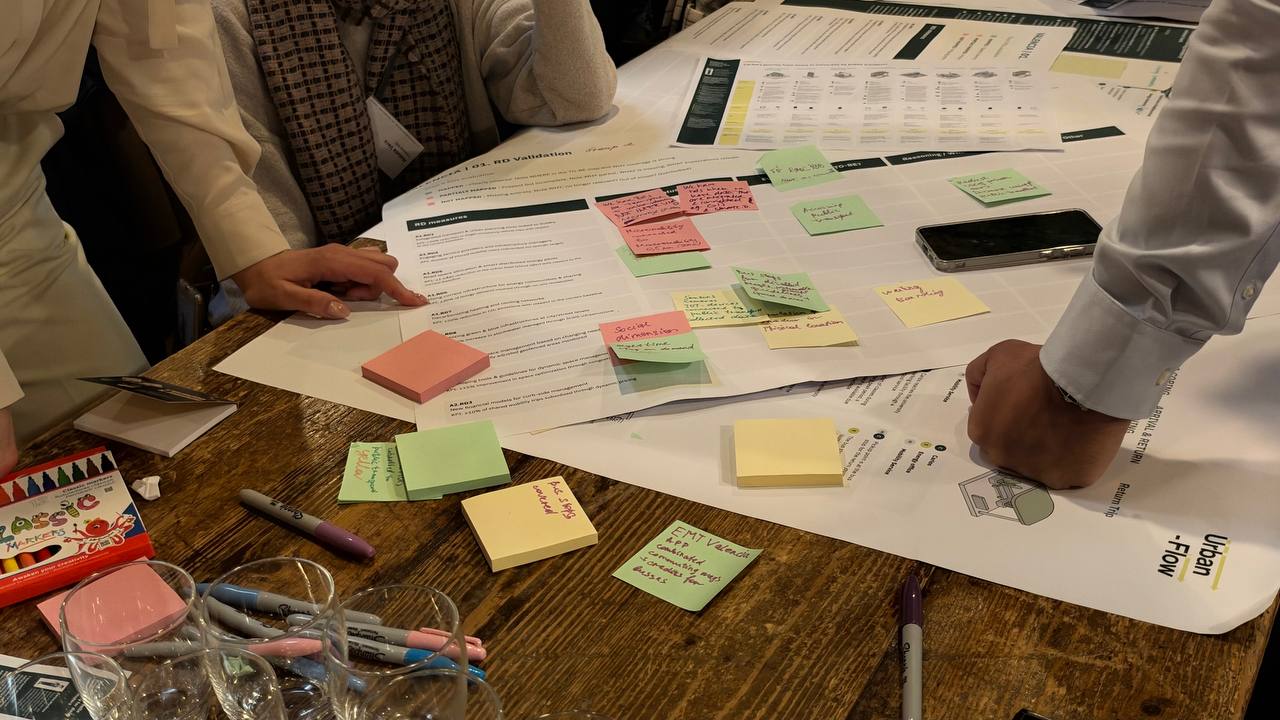
The assembly closed with a Cities Exchange Workshop, which launched the project’s replication work. Now that the foundation phase is finished, the project will focus on testing tools in real situations and working more closely with cities and policymakers. Urban-Flow plans to launch an Expression of Interest to recruit 10–15 EU Mission Cities. These cities will take part in workshops and policy dialogues between 2027 and 2029, helping the consortium develop guidelines that other cities can use to adopt the project’s approach.
The partners will also keep working on interoperability standards and share their findings with the wider data space and standards communities.
Read more about how Urban-Flow is moving towards integrated city-level implementation and the recent Urban-Flow webinar on EU procurement reform.
The General Assembly was an important step for Urban-Flow, moving from planning and technical development to practical solutions that help cities become more sustainable, liveable, and climate-neutral.