Last week at Àrea Metropolitana de Barcelona (AMB), partners of the MICAD Project – Metropolitan Inclusivity in Climate and Digital Transitions – gathered for the project’s General Assembly, marking an important milestone in this Horizon Europe initiative.
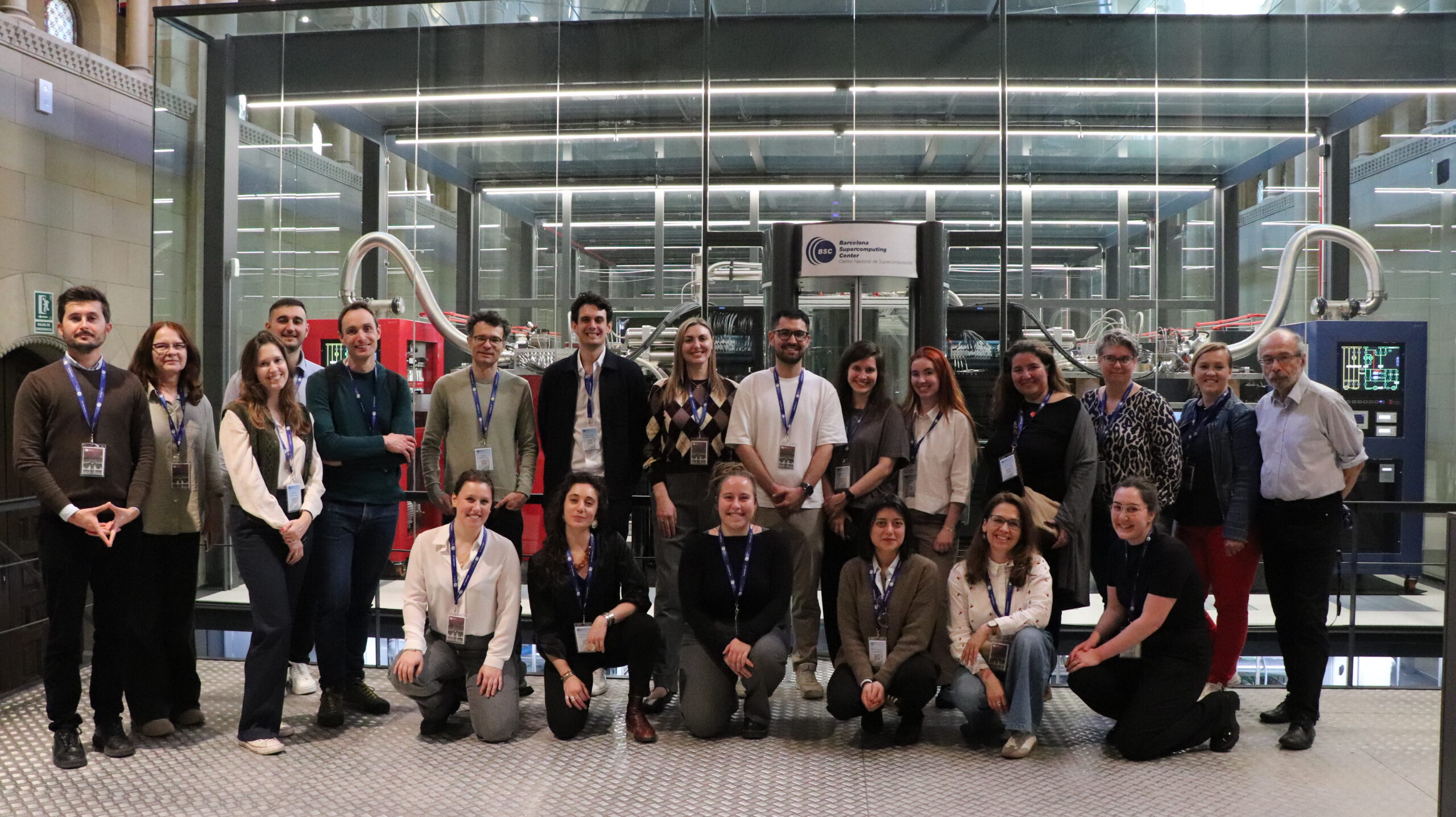
The meeting represented a transition from the project’s analytical phase towards implementation, roadmap development, and practical action. Over the past year, the consortium has been building the foundations necessary to support inclusive climate and digital transitions across metropolitan areas, combining research, governance analysis, stakeholder engagement, international benchmarking, and knowledge exchange.
Bringing together metropolitan authorities, researchers, practitioners, and innovation experts from across Europe, the General Assembly provided an opportunity to review progress, validate key findings, and launch the next phase of collaborative work. The programme combined strategic planning sessions, roadmap development workshops, toolkit discussions, capacity-building activities, site visits, and open debates on the future of climate and digital transitions at the metropolitan scale.
Building the Foundations for Inclusive Metropolitan Transitions
MICAD addresses one of the most pressing governance challenges facing metropolitan areas today: how to ensure that climate and digital transitions are not only technologically advanced and environmentally effective, but also inclusive, coordinated, and beneficial for all communities.
During the first phase of the project, the consortium focused on understanding how metropolitan areas are currently positioned to lead climate and digital transitions. This work included the assessment of governance structures, planning frameworks, institutional capacities, stakeholder ecosystems, and strategic priorities across five pilot metropolitan areas:
- Àrea Metropolitana de Barcelona (Spain)
- Città Metropolitana di Milano (Italy)
- Górnośląsko-Zagłębiowska Metropolia – GZM (Poland)
- Municipality of Tirana (Albania)
- Primăria municipiului Chișinău (Moldova)
Through questionnaires, interviews, document reviews, workshops, and comparative analysis, the project identified both strengths and recurring challenges affecting metropolitan transformation. These findings have contributed directly to the development of the first prototype of the MICAD Toolkit for Inclusive Metropolitan Planning, designed to support authorities in creating integrated climate and digital transition roadmaps.
The Barcelona General Assembly marked the moment when this analytical foundation began to evolve into practical implementation.
Launching Metropolitan Roadmap Development
One of the most significant moments of the General Assembly was the launch of the roadmap development phase.
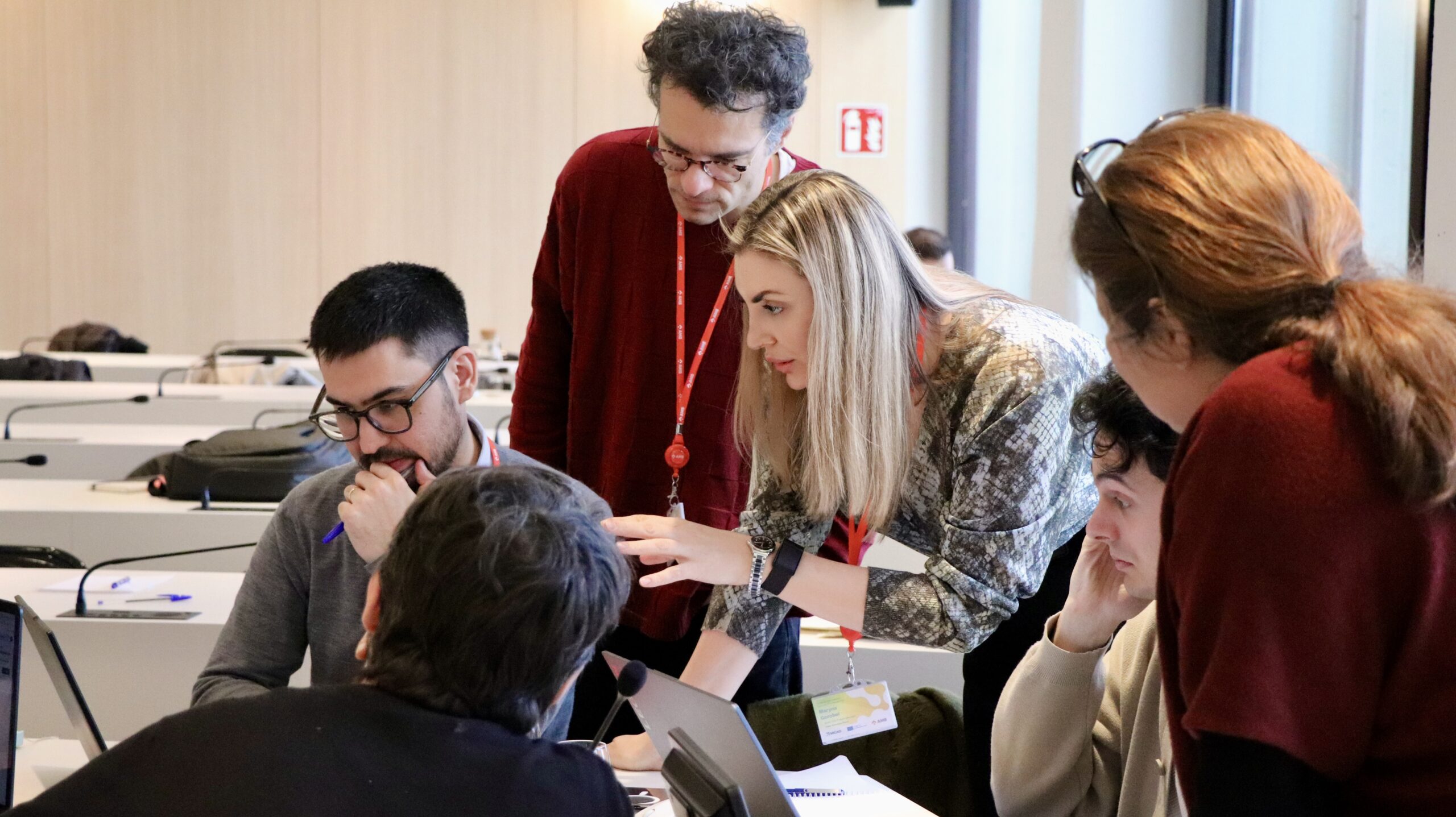
The Roadmap Development Workshop was co-facilitated by Dr. Maryna Gorobei (Urban Technology Alliance) and Bertrand Copigneaux (Kentyou), bringing together representatives from the five pilot metropolitan areas to initiate the structured co-creation process that will guide roadmap development throughout the next phase of the project.
Working directly with metropolitan authorities from Barcelona, Milan, GZM, Tirana, and Chișinău, the workshop focused on identifying transition priorities, defining roadmap scope, mapping stakeholders, establishing governance arrangements, and exploring implementation pathways.
Particular attention was given to translating strategic ambitions into realistic and actionable plans. Discussions addressed institutional coordination, stakeholder engagement, resource allocation, and the practical challenges associated with implementing climate and digital transition initiatives across complex metropolitan governance environments.
The session introduced a common methodological framework that will support roadmap development across all pilot metropolitan areas while allowing flexibility to reflect local priorities, governance structures, and territorial realities.
By bringing together cities with different institutional contexts and levels of maturity, the workshop demonstrated the value of peer learning and collaborative planning as key components of metropolitan transformation.
Strengthening the MICAD Toolkit
Alongside roadmap development, partners participated in a dedicated Toolkit Workshop focused on refining the first prototype of the MICAD Toolkit for Inclusive Metropolitan Planning.
The toolkit is being developed as a practical resource to help metropolitan authorities navigate increasingly complex climate and digital challenges while ensuring that transition processes remain inclusive and participatory.
Discussions focused on governance frameworks, stakeholder mapping approaches, maturity assessment methodologies, planning instruments, implementation mechanisms, and monitoring processes.
Partners and metropolitan representatives provided valuable feedback on how the toolkit can better respond to real governance challenges and support authorities throughout the roadmap development process.
This iterative approach ensures that the toolkit remains grounded in practice and reflects the realities faced by metropolitan administrations across Europe.
Open Session: Learning from Europe – Urban Digital Innovation
As part of the General Assembly programme, Urban Technology Alliance led the Open Session dedicated to digital transformation, metropolitan innovation, and the role of technology in supporting climate and digital transitions.

The session was delivered by Dr. Maryna Gorobei, Smart City Project Manager, sustainability and digital transformation expert at Urban Technology Alliance, whose work within MICAD focuses on the analysis of metropolitan digital transition frameworks, international benchmarking, digital maturity assessment approaches, and the identification of practical solutions supporting inclusive metropolitan transformation.
Drawing on MICAD research, international case studies, and Urban Technology Alliance’s extensive experience in smart city innovation projects, Dr. Gorobei presented a comparative overview of how cities and metropolitan areas across Europe and beyond are approaching digital transformation and climate action.
The presentation explored a broad range of examples and implementation models, including Estonia’s digital governance ecosystem, Helsinki’s digital twin and Energy & Climate Atlas, Grenoble-Alpes Métropole’s metropolitan climate governance model, Rotterdam–The Hague’s integrated energy transition ecosystem, Smart Santander’s large-scale urban experimentation platform, and the FinEst Centre for Smart Cities, which demonstrates how cooperation between cities, academia, and industry can accelerate innovation uptake.
Beyond these well-known European examples, the session also showcased practical innovation pilots and implementation experiences from the Urban Technology Alliance network. These included digital twins for urban simulation and impact monitoring, urban heat island monitoring systems, mobility hypervision platforms, energy efficiency solutions for buildings, urban freight and parking monitoring systems, climate data integration platforms, and metropolitan data ecosystems supporting evidence-based policymaking.
A particular focus was placed on the concept of digital maturity. Maryna highlighted that successful metropolitan transformation is not determined by the number of technologies deployed but by the ability of institutions to coordinate stakeholders, integrate data across sectors, establish interoperable systems, and translate strategic ambitions into measurable outcomes.
The presentation also explored practical tools increasingly used by metropolitan authorities, including digital twins, living labs, digital maturity assessments, urban data platforms, climate modelling systems, and integrated monitoring frameworks. These instruments enable cities to test solutions before implementation, reduce investment risks, improve coordination between departments and municipalities, and strengthen long-term planning capacity.
An important message emerging from the session was that climate and digital transitions should not be treated as separate agendas. Digital technologies provide the monitoring, modelling, optimisation, and coordination capabilities necessary to accelerate climate action, while climate objectives provide a strategic purpose for digital transformation efforts.
The session concluded by presenting several recurring challenges identified through MICAD research and international practice, including fragmented data ecosystems, institutional misalignment, capacity constraints, limited interoperability between municipalities, and inconsistent monitoring frameworks.
By connecting international examples, practical pilot experiences, and research findings, the session aimed to provide metropolitan authorities with actionable insights that can directly support roadmap development and implementation activities throughout the next phase of the MICAD project.
Climate and Digital Transitions: A Metropolitan Governance Perspective
Urban Technology Alliance was also represented during the roundtable discussion dedicated to climate and digital transitions.
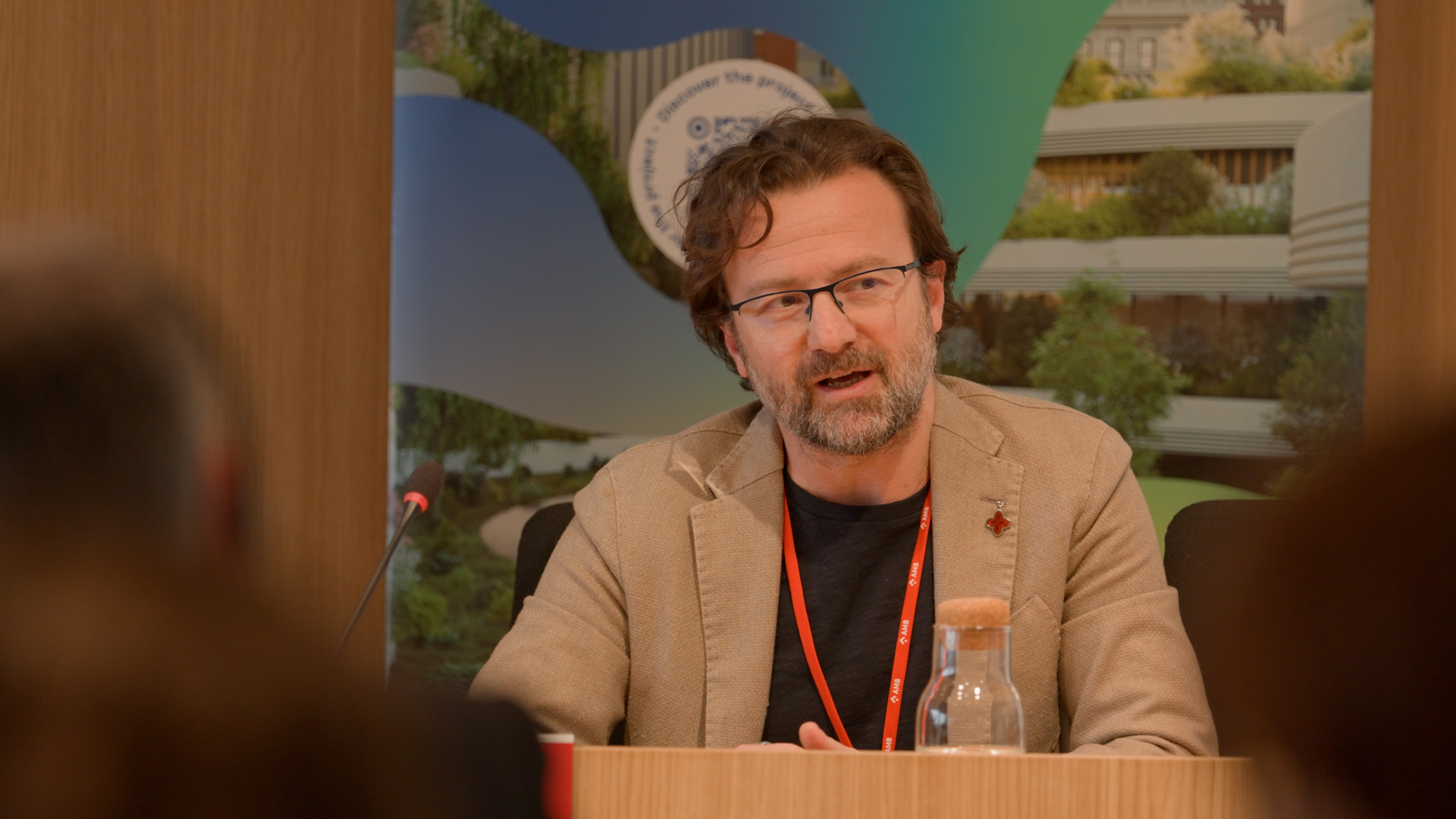
Dr. Levent Gürgen, President of Urban Technology Alliance, contributed a strategic perspective on how metropolitan authorities can navigate increasingly complex transitions while maintaining inclusiveness, legitimacy, and long-term resilience.
During the discussion, Levent emphasised that digital transformation should not be understood merely as a technology deployment exercise. Instead, digital infrastructure must serve as an enabling layer that strengthens governance, facilitates collaboration between institutions, and supports more effective decision-making processes.
A central theme of his intervention was the importance of citizen engagement.
Metropolitan transitions affect how people move, consume energy, access public services, experience climate impacts, and interact with urban environments. Citizens therefore cannot be treated as passive recipients of policy decisions. They must be active participants in shaping the future of metropolitan areas.
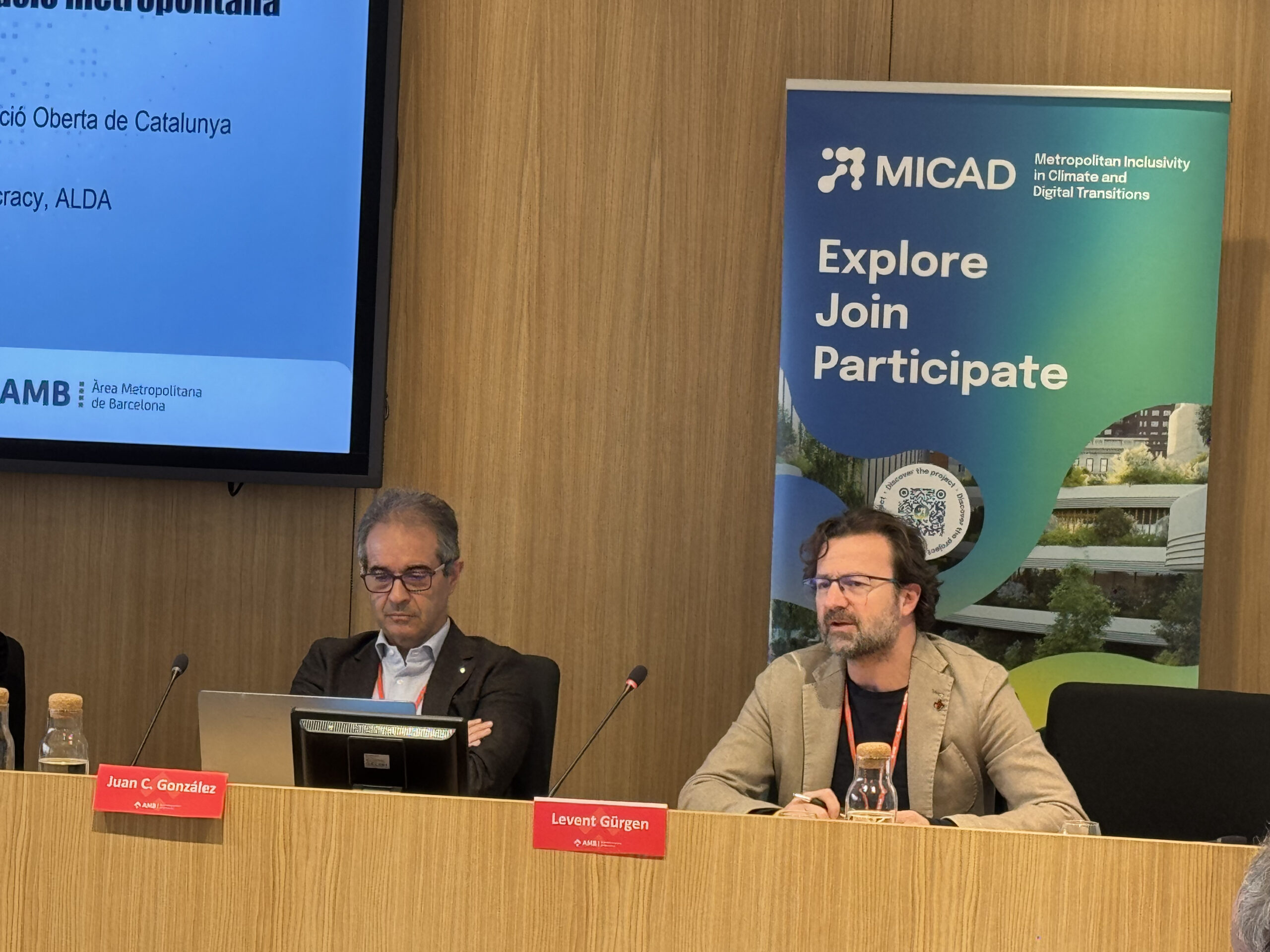
Dr. Gürgen highlighted that meaningful citizen participation contributes not only to democratic legitimacy but also to better policy outcomes. Digital tools create new opportunities for participation, transparency, consultation, and collaboration, helping authorities build trust while ensuring that transition policies reflect local needs and priorities.
He also stressed the importance of inclusive decision-making processes capable of bringing together public authorities, businesses, researchers, civil society organisations, and residents.
Many metropolitan challenges extend beyond traditional administrative boundaries and institutional mandates. As a result, effective transformation requires governance mechanisms that support collaboration across sectors and levels of government.
Another important theme of the discussion was interoperability.
Fragmented digital systems often reproduce fragmented governance. To support coherent metropolitan transformation, authorities need interoperable digital infrastructures capable of connecting data, institutions, services, and decision-making processes.
Levent argued that successful climate and digital transitions depend not only on investment and innovation but also on governance structures capable of supporting participation, coordination, and collective action.
The discussion reinforced one of MICAD’s central messages: climate and digital transitions are not parallel agendas but interconnected transformations that must be strategically aligned and governed together.
Capacity Building and Knowledge Exchange
Beyond the formal workshops and presentations, the General Assembly provided extensive opportunities for capacity building and peer learning.
Partners exchanged experiences on governance innovation, digital transformation, stakeholder engagement, metropolitan planning, climate adaptation, and implementation methodologies.
These discussions reinforced one of MICAD’s core principles: metropolitan areas often face similar challenges, even when operating in different institutional and national contexts.
Creating spaces for dialogue and knowledge exchange allows cities to learn from one another’s successes, avoid common mistakes, and accelerate implementation through shared experience.
Site Visits: Digital Infrastructure and Climate Resilience in Practice
The General Assembly also included two site visits that connected strategic discussions with real-world implementation.
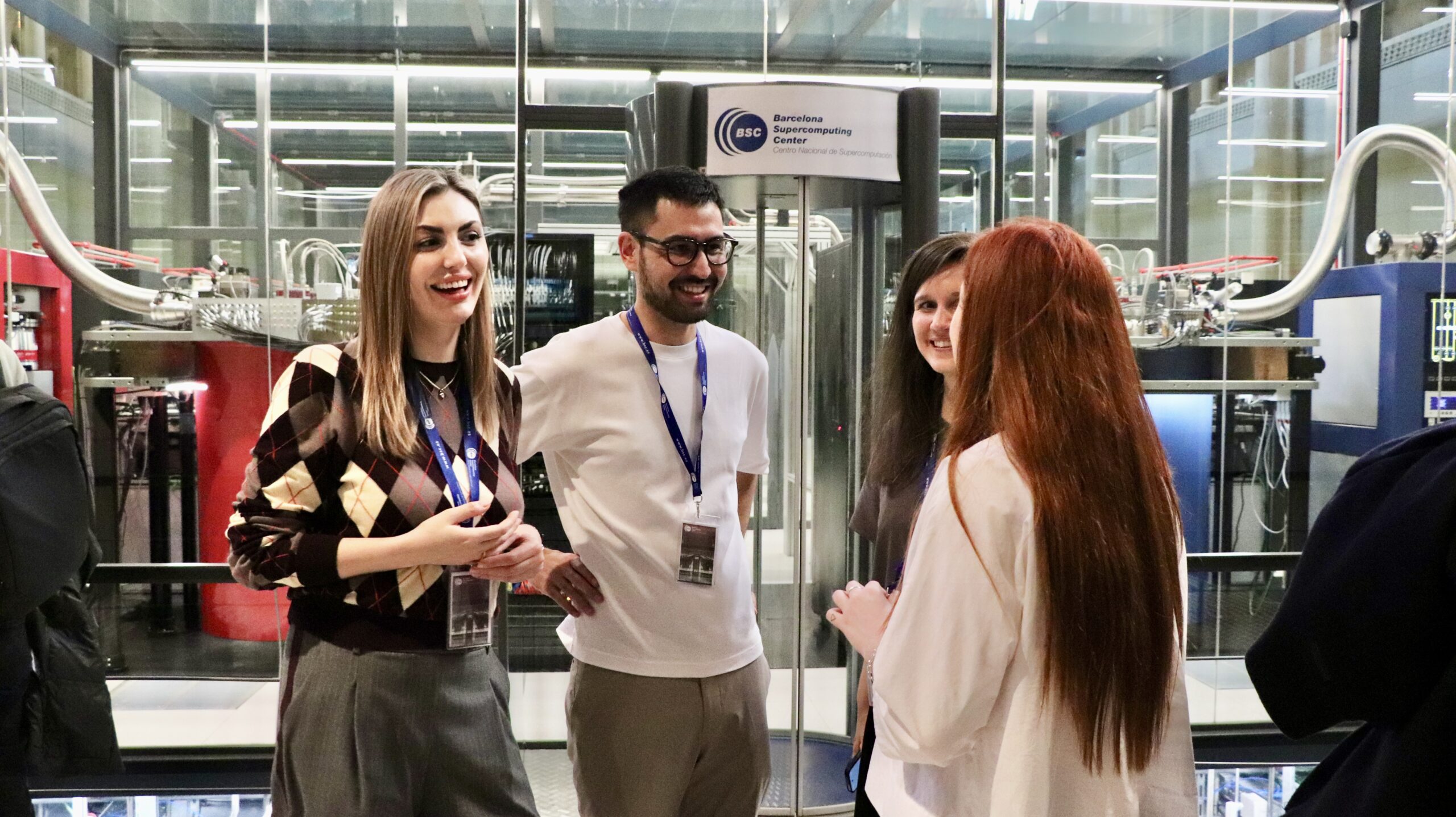
Barcelona Supercomputing Centre
Participants visited the Barcelona Supercomputing Centre, one of Europe’s leading high-performance computing facilities.
The visit highlighted the growing importance of advanced computing capacity for climate modelling, urban simulations, mobility optimisation, environmental monitoring, and evidence-based policymaking.
Discussions focused on how data-intensive technologies can support metropolitan decision-making and improve the ability of cities to anticipate and respond to complex challenges.
The visit reinforced an important message: digital transformation is not only about applications and services but also about the infrastructure that enables cities to generate knowledge, test scenarios, and make informed decisions.
Climate Shelter Initiative
The second site visit focused on Barcelona’s climate shelter initiative.
Climate shelters provide accessible spaces where residents can seek refuge during periods of extreme heat and form part of the city’s broader climate adaptation strategy.
The visit offered a practical example of how climate policies can be translated into tangible actions that directly benefit communities and improve urban resilience.
Participants explored how adaptation measures can integrate public health, social inclusion, urban planning, and climate resilience objectives within a single intervention.
Together, the two site visits reflected the dual nature of MICAD’s approach: combining technological innovation with people-centred climate action.
Looking Ahead
As MICAD moves into its next phase, the focus shifts from research to implementation.
The coming months will see metropolitan authorities begin the co-design of climate and digital transition roadmaps, supported by the MICAD Toolkit, international expertise, and peer-learning activities across the consortium.
Urban Technology Alliance is proud to contribute to this process by supporting roadmap development, knowledge exchange, and the practical application of digital innovation for inclusive metropolitan transformation.
The Barcelona General Assembly demonstrated that the foundations are now in place. The next challenge is turning analysis into action and transforming shared knowledge into tangible results for metropolitan communities across Europe.