


Jriss

đŸ–„ïž Systems
đŸ‡ŻđŸ‡” Japan

About

JRISS (Japan Research Institute for Social Systems) focuses on methodologies and research for risk assessment and resilience of infrastructures and urban systems. The organization develops analytical frameworks and modeling tools to support evidence-based decision-making for resilient cities and critical infrastructure.

Presentation

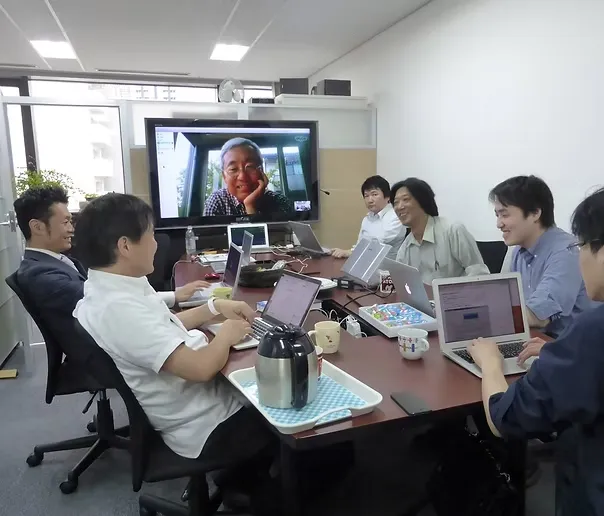
JRISS (Japan Research Institute for Social Systems) is a Japanese research and consulting company specialising in urban systems, transport planning, and ICT-based public infrastructure solutions. The company was founded in 2004 and focuses on supporting the design and development of new social and urban systems through research, consulting, and information system development.

The organisation brings together professionals with experience in private sector business management, technology development, and infrastructure planning, combining these skills to support projects that bridge the public and private sectors.

JRISS works on projects related to urban development, mobility systems, public transportation planning, and digital infrastructure, often collaborating with universities, public institutions, and industry partners. The company’s activities range from strategic consulting and planning to the development of digital systems used in real-world urban and mobility environments.
Vision & Mission

JRISS aims to contribute to the development of new social infrastructure systems by integrating advanced technologies, research expertise, and practical knowledge from both public and private sectors.

The company’s mission is to support the design and implementation of innovative solutions that improve the efficiency and sustainability of urban services such as transportation, mobility management, and public information systems.

Through collaboration with governments, universities, and private organisations, JRISS seeks to develop data-driven approaches to urban planning and mobility management, enabling cities to better understand and manage the movement of people and vehicles.

Solutions, Products and Services

Problems addressed

Cities and public authorities increasingly need better tools to understand and manage complex urban systems, particularly in the areas of:

  • Mobility and transport demand
  • Urban development and land-use planning
  • Public transport optimisation
  • Real-time mobility information for citizens
  • Data analysis for planning and infrastructure management

Traditional urban planning methods often rely on limited datasets and static studies, which can make it difficult to understand real mobility patterns and respond to rapidly changing urban conditions.

Solutions and technological approach

JRISS develops and deploys ICT systems, sensor-based monitoring solutions, and data analysis platforms to support urban and mobility planning.

The company’s work includes:

  • Design and development of transport information systems
  • Digital signage and passenger information systems
  • Mobility data collection and analysis tools
  • Sensor-based urban flow monitoring systems
  • Consulting services for mobility, urban development, and smart infrastructure

JRISS often develops systems through research-oriented projects and collaborations with universities, frequently supported by government innovation programmes or public research funding.

The company emphasises flexible system architectures using modern technologies and cloud infrastructure in order to reduce operational costs and allow long-term system operation.

Reference projects and deployments

JRISS has developed and contributed to multiple projects involving urban mobility data, public information systems, and transportation services.

Examples include:

  • Digital signage systems for public transport, providing bus transfer information and real-time travel data in railway stations and urban environments.
  • Mobile traffic information services, such as systems designed to provide drivers with real-time traffic conditions before entering highways.
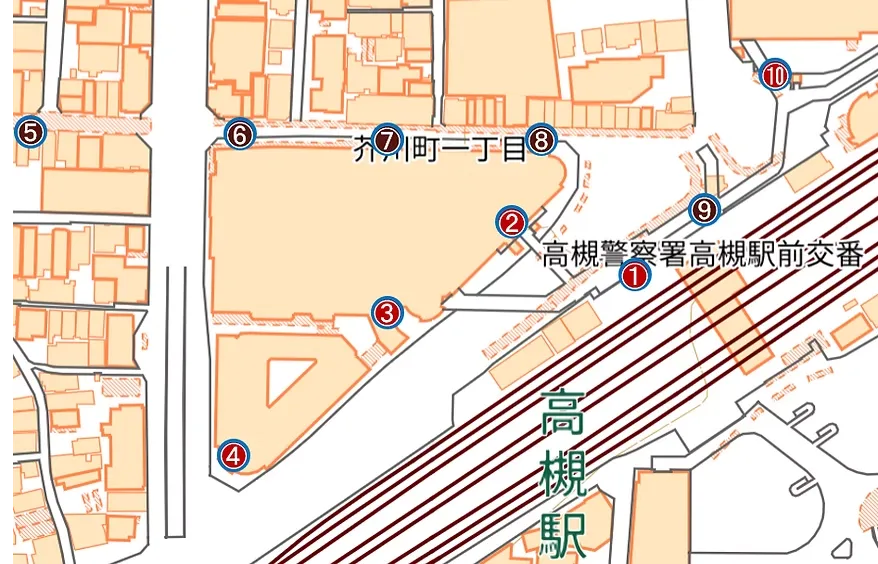
  • Wi-Fi packet sensor systems, which analyse the movement and presence of mobile devices to understand pedestrian and vehicle flows in urban environments.
  • Urban mobility and tourism flow studies, helping municipalities understand visitor movements and improve planning strategies.

JRISS also participates in collaborative research initiatives with universities and government agencies, particularly in areas such as sensor networks, mobility data analytics, and transport system innovation.

Share the Post: